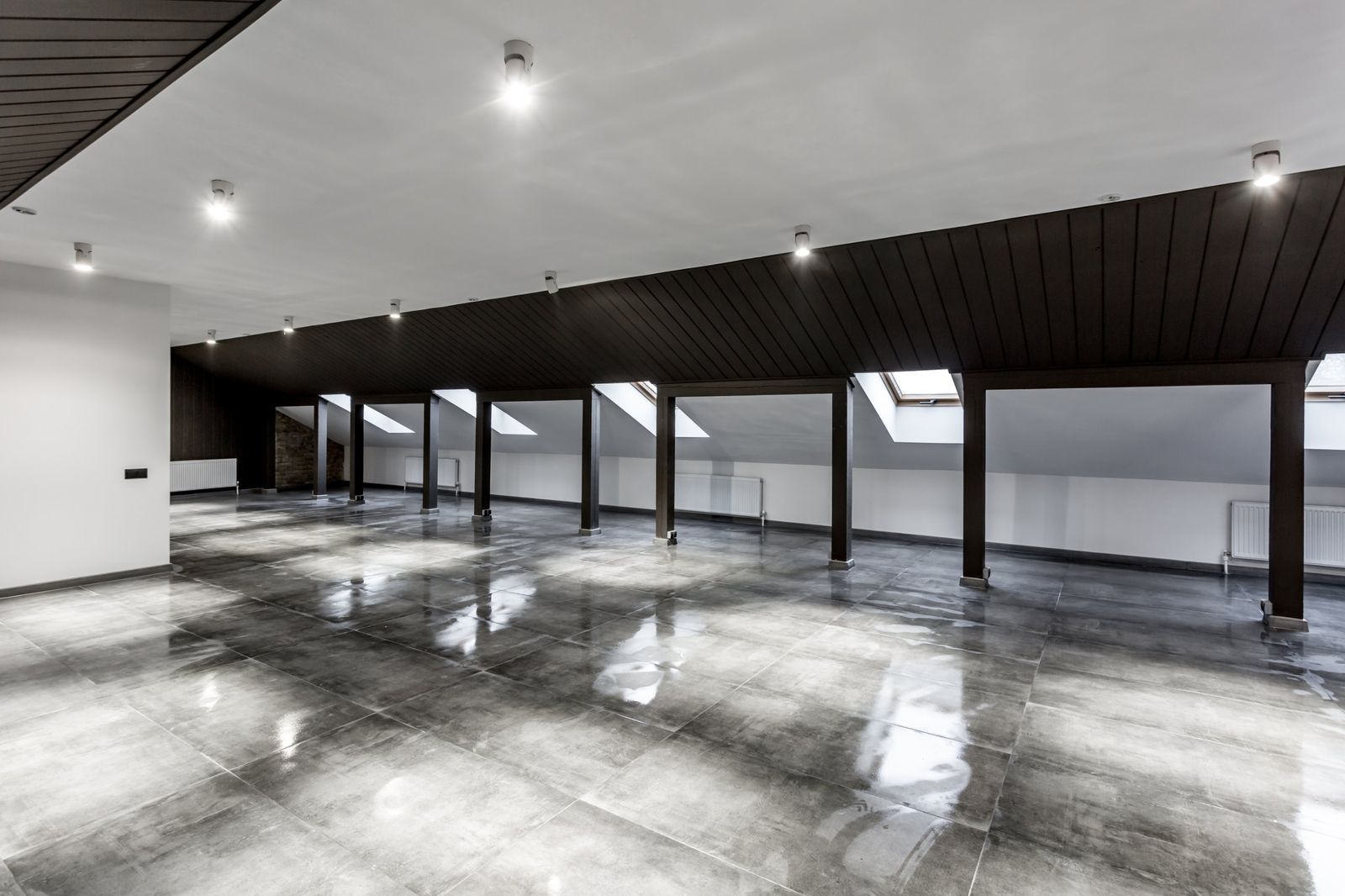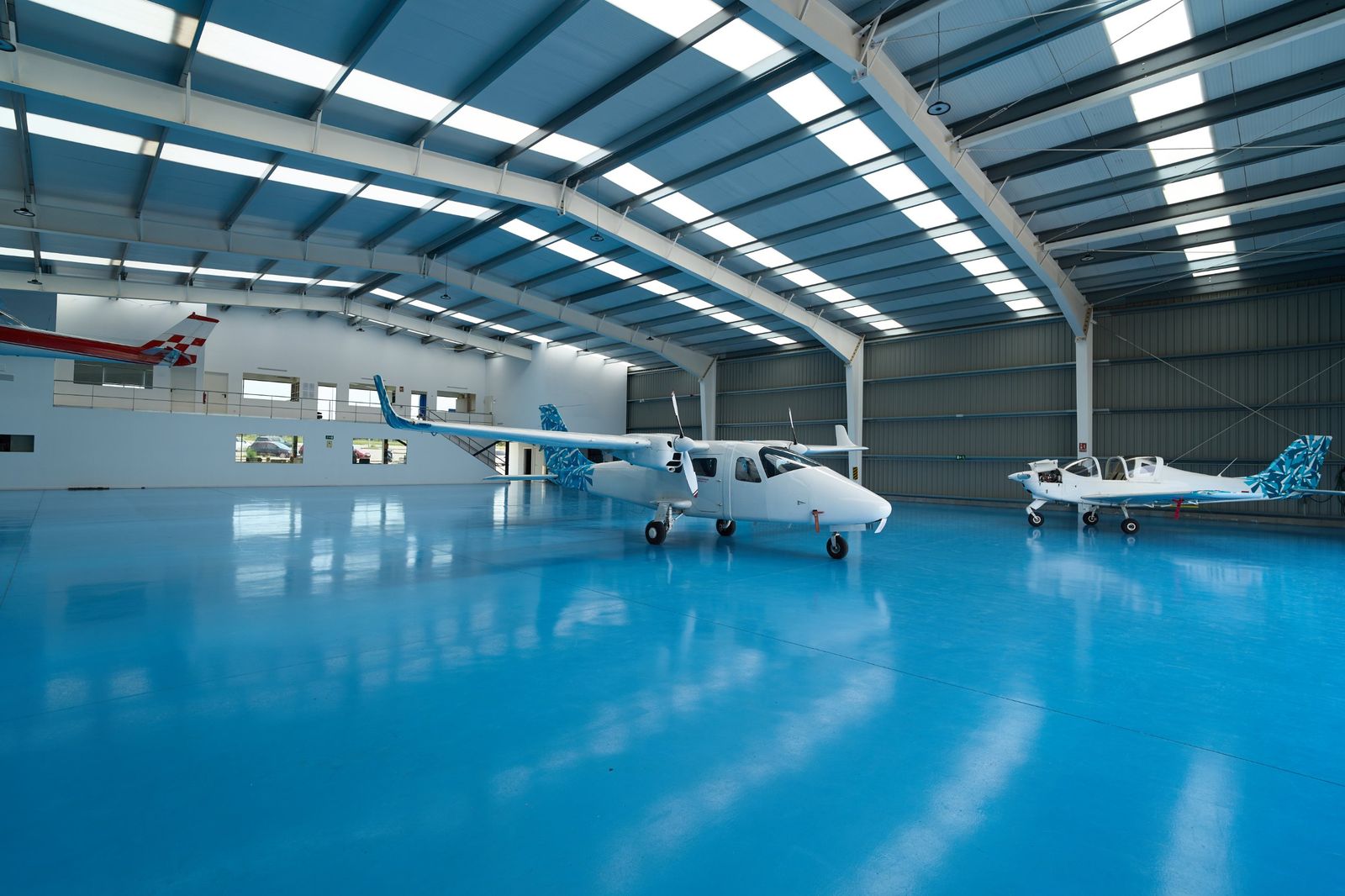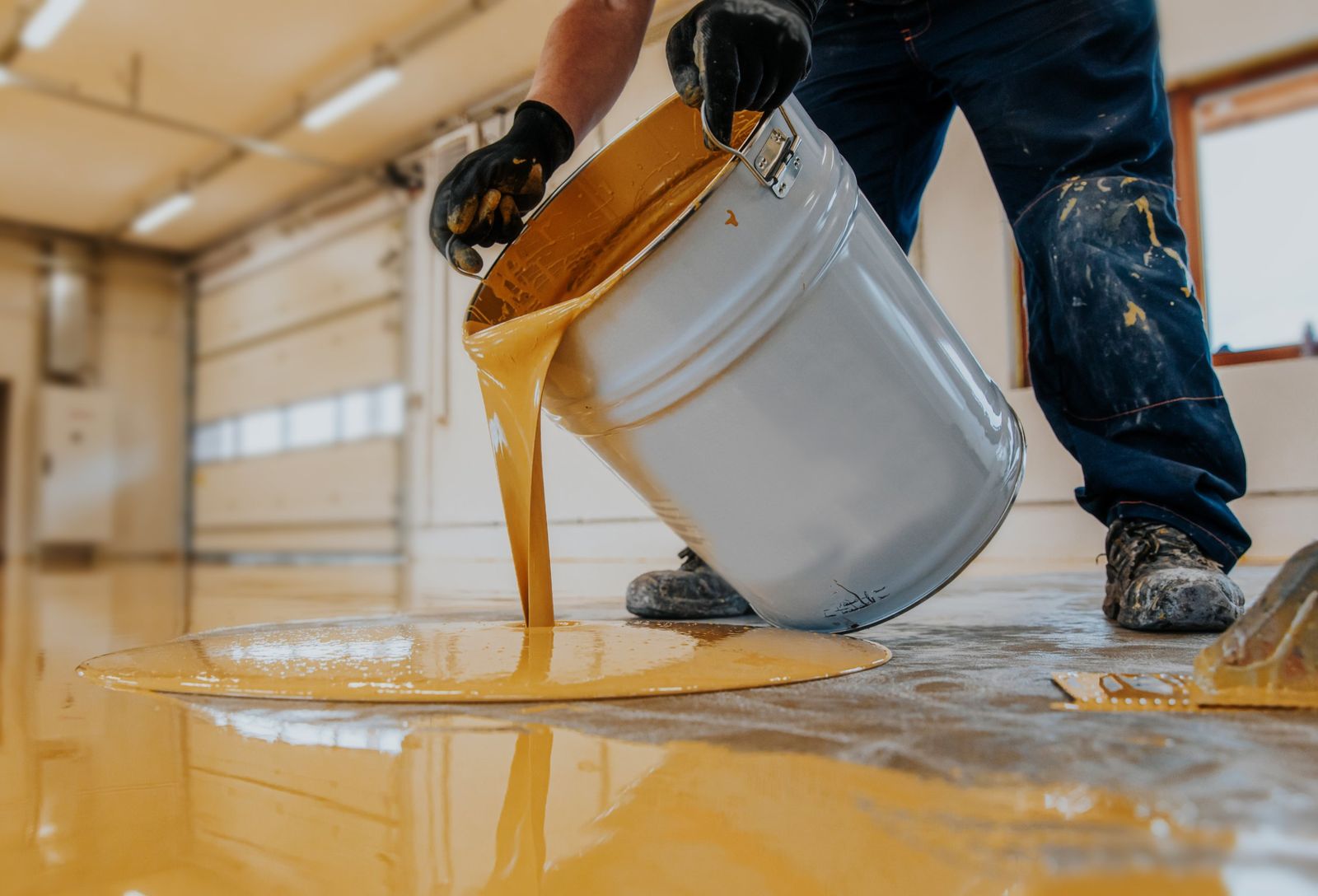

Warehouse floors carry constant operational demands: pallet jacks, forklifts, shelving, rolling carts, inventory movement and frequent cleaning. When concrete becomes dusty, stained or damaged, it can affect housekeeping and the overall condition of a working space. Warehouse floor coatings can help protect suitable slabs and create a more manageable surface, but the system must be chosen for the loads and conditions present. Apache Junction Epoxy Flooring serves as a point of contact for businesses in Apache Junction, Arizona, considering coating options for warehouse and storage spaces. The project should begin with the slab and workflow, not a one-size-fits-all product.

Warehouse Flooring Starts With Operational Requirements
A warehouse floor is more than a large concrete area. It supports concentrated loads at rack posts, repeated turning and braking, wheel abrasion, pallet impacts and traffic that may follow the same routes every shift. Some facilities operate in dry storage; others experience spills, washdown, temperature variation or chemical contact. These factors influence whether a coating is appropriate, what thickness is needed and where additional repairs or markings may be required. Structural slab capacity and flatness are separate considerations that a surface coating cannot correct.
Potential Benefits of a Warehouse Coating
A suitable coating can reduce surface dust, improve cleanability, help resist selected spills and create a consistent appearance. It may also support visual organization when different colors are used for defined zones. These benefits depend on the material, preparation, traffic and maintenance. Coatings can wear under abrasive forklift traffic, especially at turning points and transitions, so the design should be based on actual operations. A floor coating is a protective surface treatment, not a substitute for repairing failed concrete or correcting unsafe traffic patterns.
Assessing Forklift and Material-Handling Traffic
Before selecting a system, identify the type of equipment, wheel material, loaded weight, turning frequency, travel paths and braking points. Hard wheels and tight turns can put concentrated stress on the floor. Rack anchors and heavy equipment create additional details to consider. If forklifts regularly turn in place, a coating chosen only for ordinary foot traffic may not be adequate. Ask the contractor to explain how the product specification aligns with the facility's use and what maintenance or recoat planning may be needed over time.
Epoxy, Polyurea and Polyaspartic Options
High-build epoxy systems can provide a substantial film and are used in many industrial environments when the product suits the exposure. Polyurea products may provide flexibility and rapid cure, while polyaspartic finishes can offer quick return-to-service characteristics and UV stability in appropriate formulations. Not all products within a chemistry perform alike. Chemical resistance, abrasion resistance, film thickness, moisture tolerance and cure conditions should be verified against technical documentation. A hybrid system may be appropriate, but only when each layer is compatible.
Concrete Condition and Preparation
Warehouse slabs can have polishing from traffic, oil or chemical contamination, old sealers, previous coatings, cracks, joint damage and localized spalling. Preparation often requires industrial mechanical grinding or other specified methods to remove weak layers and create a profile for adhesion. Dust control matters in active facilities, so the contractor should explain containment and cleanup. Cracks and joints must be evaluated according to whether they are stable or designed to move. Moisture testing is important when the selected coating has strict substrate limits.

Joint Treatment, Repairs and Flatness
Control joints and expansion joints have different purposes and should not be treated identically. Filling every joint rigidly can create problems if movement is expected. Damaged joint edges may need repair, while cracks may require a different approach based on their cause and activity. Coating thickness will not flatten an uneven slab or improve rack-system tolerances. If floor flatness or levelness is critical for narrow-aisle equipment, those requirements should be evaluated separately by qualified professionals.
Planning Installation Around Operations
A coating project can affect receiving, dispatch, inventory access and staff movement. Before work begins, decide whether the floor can be divided into zones, where materials will be staged and how equipment will be rerouted. Rapid-cure products may reduce some waiting periods but do not remove the time needed for surface preparation, repairs or testing. A phased plan should identify the sequence, barriers, ventilation, curing restrictions and the point at which each section can safely return to service.
Typical Project Process
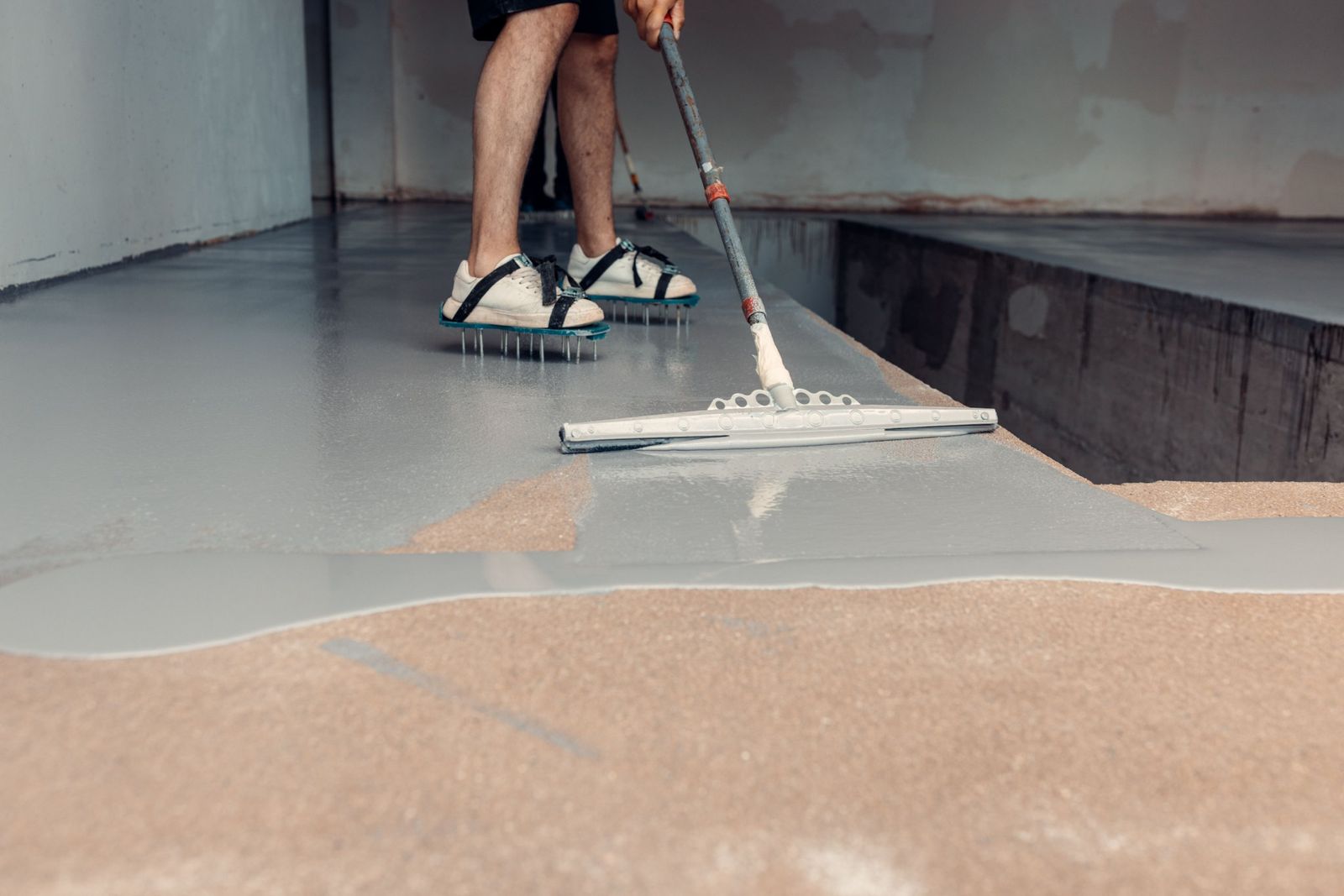
A typical project starts with a walkthrough, operational briefing and condition survey. The contractor identifies coating boundaries, equipment routes, repairs and any special performance requirements. The slab is prepared mechanically, dust is removed, repairs and approved moisture controls are completed, and the specified primer or base coat is installed. Additional coats, aggregate or markings follow the design. The topcoat is applied and allowed to cure according to manufacturer instructions. The handover should include maintenance guidance, limitations and recommendations for protecting the finish during the first days of use.
Safety and Floor Markings
Color-coded walkways, storage zones and hazard markings can support visual management when integrated with the facility's safety program. They should be designed around traffic routes and kept visible through appropriate maintenance. Slip resistance should match expected contaminants and cleaning methods; overly aggressive texture can complicate housekeeping. A coating does not replace required signs, barriers, training or equipment controls. Facility managers should confirm all safety-related design choices with the appropriate site personnel.
Selecting a Warehouse Coating Contractor
Ask prospective contractors about experience with similar traffic conditions, product specifications, concrete preparation, dust containment, joint treatment and phasing. The proposal should distinguish repairs from coating work and clearly identify exclusions. Request written details for coating thickness, cure windows, return-to-service requirements and maintenance. Be cautious of claims that a coating is indestructible or that a single material is best for every warehouse. Good planning is specific to the site.
Apache Junction Epoxy Flooring for Warehouse Projects
Apache Junction Epoxy Flooring can discuss coating options for warehouse and storage properties in Apache Junction. A productive estimate begins with the facility's workflow, the slab's current condition, traffic patterns and the downtime window. That information helps determine whether a coating system is a reasonable fit and what preparation or repair work should be included. Contact the company to arrange a discussion about your warehouse floor and project requirements.
Frequently asked questions
What coating is best for a warehouse with forklifts?
It depends on wheel type, loads, turning, chemicals, slab condition and downtime. The contractor should match a documented system to those requirements.
Can a coating stop warehouse concrete from dusting?
A suitable coating can reduce dust from the surface, but weak or deteriorated concrete may require repair or a different treatment first.
Will the coating withstand pallet jacks and heavy traffic?
Some systems are designed for material-handling traffic. Performance depends on product specification, thickness, preparation and the way the floor is used.
Can installation be done in sections?
Phased installation may be possible, depending on the layout, access and system. Plan traffic routes and cure windows before scheduling.
Should warehouse joints be coated over?
Joint treatment depends on joint type and movement. Expansion and other movement joints generally require a detail that accommodates their function.
Are floor markings available with coatings?
Many facilities can add color zones or markings, but the layout should align with operational and safety requirements.
Does a coating repair uneven concrete?
No. Coatings do not replace structural repairs or precision correction of slab flatness and levelness.
What should be included in a warehouse flooring estimate?
Look for preparation, repairs, selected system and thickness, work phasing, cure requirements, exclusions and maintenance guidance.