
A garage floor has to handle more than parked cars. It collects desert dust, tire marks, tracked-in grit, occasional oil drips, dropped tools, storage equipment and the temperature changes that come with Arizona weather. Bare concrete can become stained and dusty, while an aging paint or coating may peel where tires repeatedly rest. Apache Junction Epoxy Flooring provides garage floor coating options for homeowners in Apache Junction, Arizona, with system selection based on the concrete, how the garage is used and the finish you want. A professionally prepared coating can make the space look more finished and simplify routine cleanup without pretending that every slab or coating system is the same.

What a Garage Floor Coating Does
A garage floor coating is a bonded protective layer installed over prepared concrete. Depending on the selected system, it may use epoxy, polyurea, polyaspartic or a combination of materials. Decorative vinyl flakes, solid colors and clear topcoats can change the appearance and surface texture. The best choice depends on sunlight exposure, hot-tire contact, foot traffic, chemical exposure, desired appearance and the time available for curing. A coating is not a structural repair: significant cracking, settlement, moisture movement or deteriorated concrete needs to be assessed before installation.
Garage Floor Coating Options
Epoxy is often used as a base or body coat because it can build film thickness and bond well to properly prepared concrete. Decorative flake systems add color variation and can provide texture when the topcoat and flake profile are selected appropriately. Polyaspartic coatings are valued for rapid cure and good UV stability in suitable formulations, making them a common option where sunlight reaches the garage. Polyurea products can offer flexibility and fast cure, but their working time and application requirements vary by formulation. A hybrid system can combine a base coat with a protective topcoat rather than relying on one material to do every job.
Benefits for Apache Junction Homes
A sealed surface is generally easier to sweep and damp-mop than unfinished concrete because dust and everyday dirt are less likely to lodge in open pores. A coating can help resist routine abrasion and staining, improve the visual consistency of the garage and make the room feel more useful as a workshop, home gym or storage area. In the East Valley, sunlight and high surface temperatures deserve attention. A product suitable for an indoor, shaded slab may not be the best choice for a garage with strong UV exposure or hot tires. Ask how the proposed system is designed for the conditions in your particular space.
Residential Uses and Common Projects
Homeowners commonly coat one-, two- and three-car garages, workshop areas, hobby spaces and utility rooms. A garage may be used mainly for parking, or it may double as a place to maintain bicycles, store tools, work on projects or exercise. Those uses affect the choice of texture, color and chemical resistance. Light gray and neutral flake blends can brighten a dim garage, while darker blends may visually disguise some everyday dust. A smooth, glossy floor can look clean but may become slippery when wet; texture and traction should be considered wherever water or tracked-in moisture is likely.
Preparing Concrete Before Coating
Surface preparation is one of the biggest influences on coating performance. A contractor should inspect the slab for oil, grease, paint, sealers, weak surface paste, cracks, spalls and previous coating failures. Mechanical diamond grinding is commonly used to remove weak material and create a profile suitable for the selected coating. Repairs are made after the underlying condition is understood, and dust must be removed before coating. Moisture testing may be appropriate because vapor moving through concrete can contribute to blistering or delamination. Simply washing a slab or acid-etching it without verifying the resulting profile may not provide a reliable foundation.

A Typical Installation Process
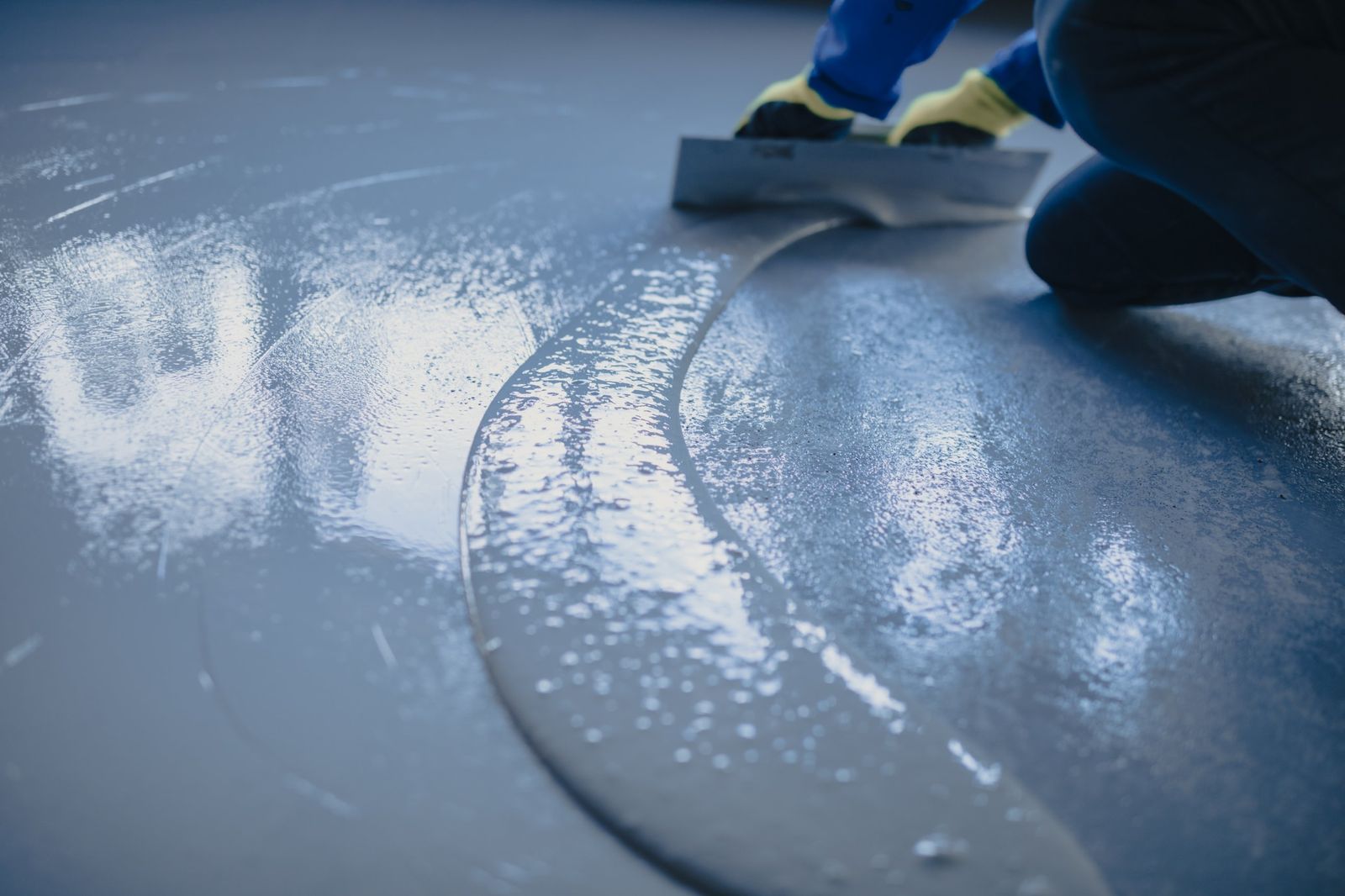
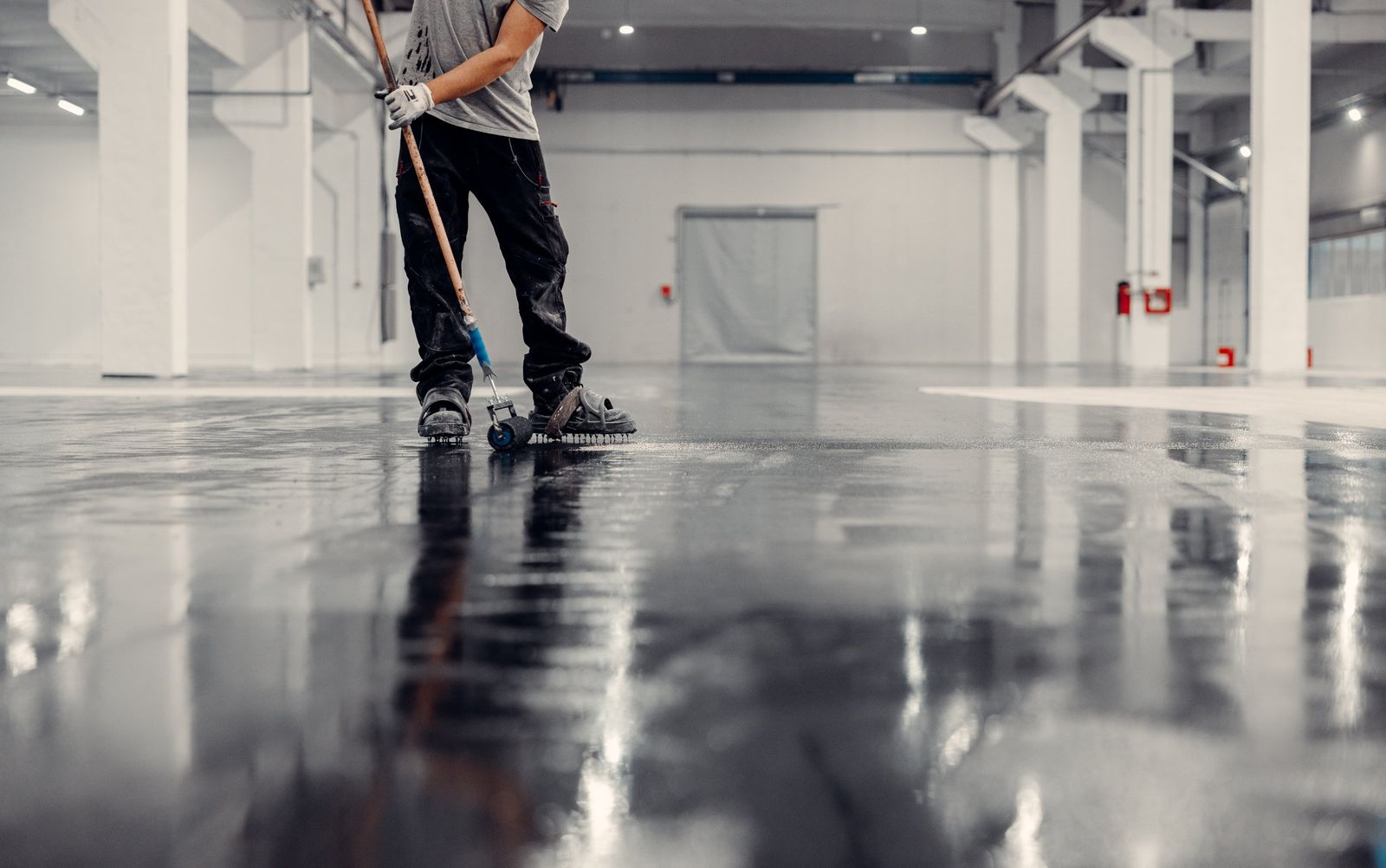
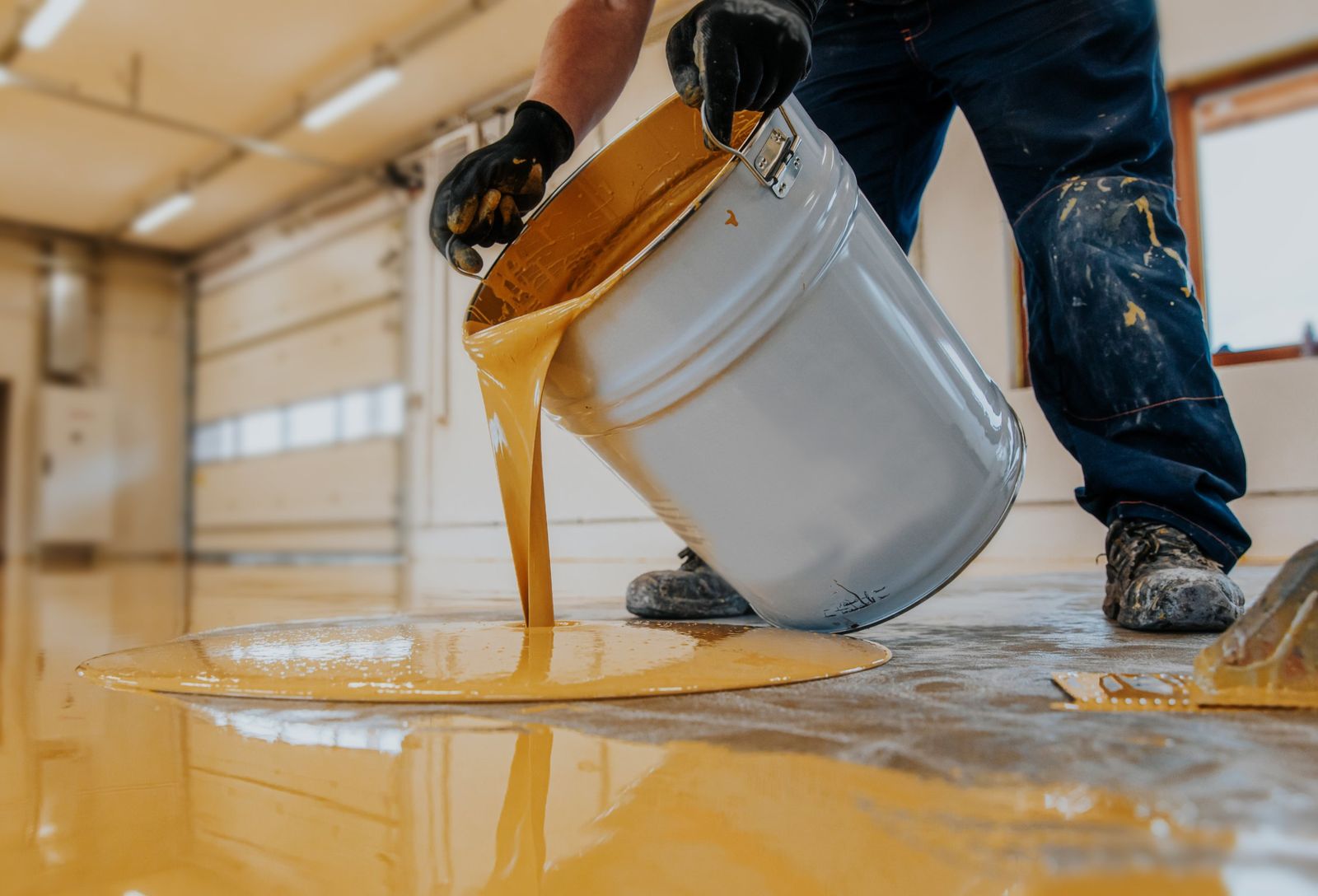
A professional project generally starts with a site review, measurements and a discussion of use, appearance and schedule. The installer then identifies repairs and any moisture concerns, removes incompatible coatings and mechanically prepares the surface. Cracks and damaged areas are treated as appropriate; active movement cannot always be concealed permanently. The chosen primer or base coat is applied within the product's temperature, humidity and pot-life limits. Decorative flakes or pigments are added if specified, followed by scraping or leveling where needed and a compatible topcoat. The floor must remain free of traffic for the required cure period. Exact steps and return-to-service times depend on the product data sheet and site conditions.
Why Professional Installation Matters
A coating can look acceptable at first and still fail if it is applied over contamination, an unsuitable profile or concrete with unresolved moisture issues. Professional equipment helps create a consistent surface profile and collect dust. Installers also need to mix components accurately, respect recoat windows, monitor slab and air temperatures, and apply each layer at the specified coverage. Ask how cracks, joints, moisture and existing coatings will be handled. The lowest quote may leave out preparation or repair work that is essential to the finished system.
Choosing a Garage Floor Coating Contractor
Request a written scope that names the coating system, preparation method, planned repairs, decorative finish, topcoat and cure expectations. Ask which areas are included, how oil spots or old paint will be addressed, and what conditions could change the quote. Review product technical data and maintenance instructions. Clarify whether the finish is intended for direct sunlight, hot tires, workshop chemicals or other demands relevant to your garage. A responsible contractor should explain limitations as well as benefits and should not promise that a coating will stop structural cracks or solve water entering through the slab.
Why Consider Apache Junction Epoxy Flooring
Apache Junction Epoxy Flooring focuses on flooring coating solutions for local residential and commercial concrete. The right project begins with understanding the space rather than choosing a product by name alone. Homeowners can discuss the condition of their garage slab, desired flake or solid-color appearance, expected use and practical installation timing before selecting a system. Clear expectations about preparation, curing and care help customers make an informed decision. Contact the company to discuss your garage and request an estimate based on the actual floor.
Care After Installation
Follow the specific cure and vehicle-return instructions provided for your system; dry-to-touch does not always mean fully cured. For routine maintenance, remove loose grit with a soft broom or dust mop, then use a compatible neutral cleaner and a microfiber mop as needed. Wipe spills promptly and avoid harsh chemicals unless the coating manufacturer confirms compatibility. Use pads beneath sharp metal stands and heavy equipment, and lift rather than drag objects that could scratch the topcoat. If damage occurs, have it assessed before moisture or contamination reaches the concrete.
Service Area
Apache Junction is the primary service location for this page. Nearby communities such as Gold Canyon, Mesa, Queen Creek and other East Valley areas may also be relevant depending on project location and scheduling. Confirm service availability when requesting an estimate rather than assuming every surrounding address is covered.
Frequently asked questions
How long does a garage floor coating take?
Timing depends on the system, floor condition, repairs, temperature and cure requirements. Some systems allow a quick return to light use, while others need longer before foot or vehicle traffic. Get a project-specific schedule in writing.
Will a coating hide cracks in my garage floor?
Repairs can improve the appearance of stable cracks, but active movement or structural issues may reappear. The contractor should inspect the crack and explain realistic expectations before coating.
Is epoxy or polyaspartic better for an Arizona garage?
Neither is automatically best for every slab. Epoxy can provide a substantial base layer, while suitable polyaspartic products offer fast cure and UV stability. A compatible multi-layer system may be appropriate.
Can I coat a garage floor that has old paint?
Often the old coating must be removed or tested for compatibility. Applying a new layer over weak or poorly bonded paint can cause the new system to fail with it.
Will the floor be slippery?
Gloss alone does not determine traction. The selected texture, flake coverage, topcoat and exposure to water all matter. Discuss anti-slip options for areas that may get wet.
How do I maintain a coated garage floor?
Sweep or dust-mop regularly, clean with a compatible mild cleaner and promptly remove spills. Follow the product's specific care instructions.
Does concrete need to be completely dry?
The slab must meet the selected product's moisture requirements. Visual dryness is not a reliable moisture test, so testing may be needed before installation.
Can the coating be customized?
Many systems offer solid colors, decorative flake blends and different gloss or texture options. Availability depends on the coating product and the selected system.