
Decorative flake flooring adds color variation and texture to a coated concrete surface. Small vinyl or polymer flakes are broadcast into a wet base coat and sealed beneath a protective topcoat, creating a finish that can look clean and intentional while helping mask some minor visual variation. In Apache Junction, Arizona, flake systems are commonly considered for garages, workshops and other suitable concrete areas where dust, everyday wear and appearance all matter. Apache Junction Epoxy Flooring can discuss finish choices and the preparation needed to create a durable foundation for the selected system.

How Decorative Flake Flooring Works
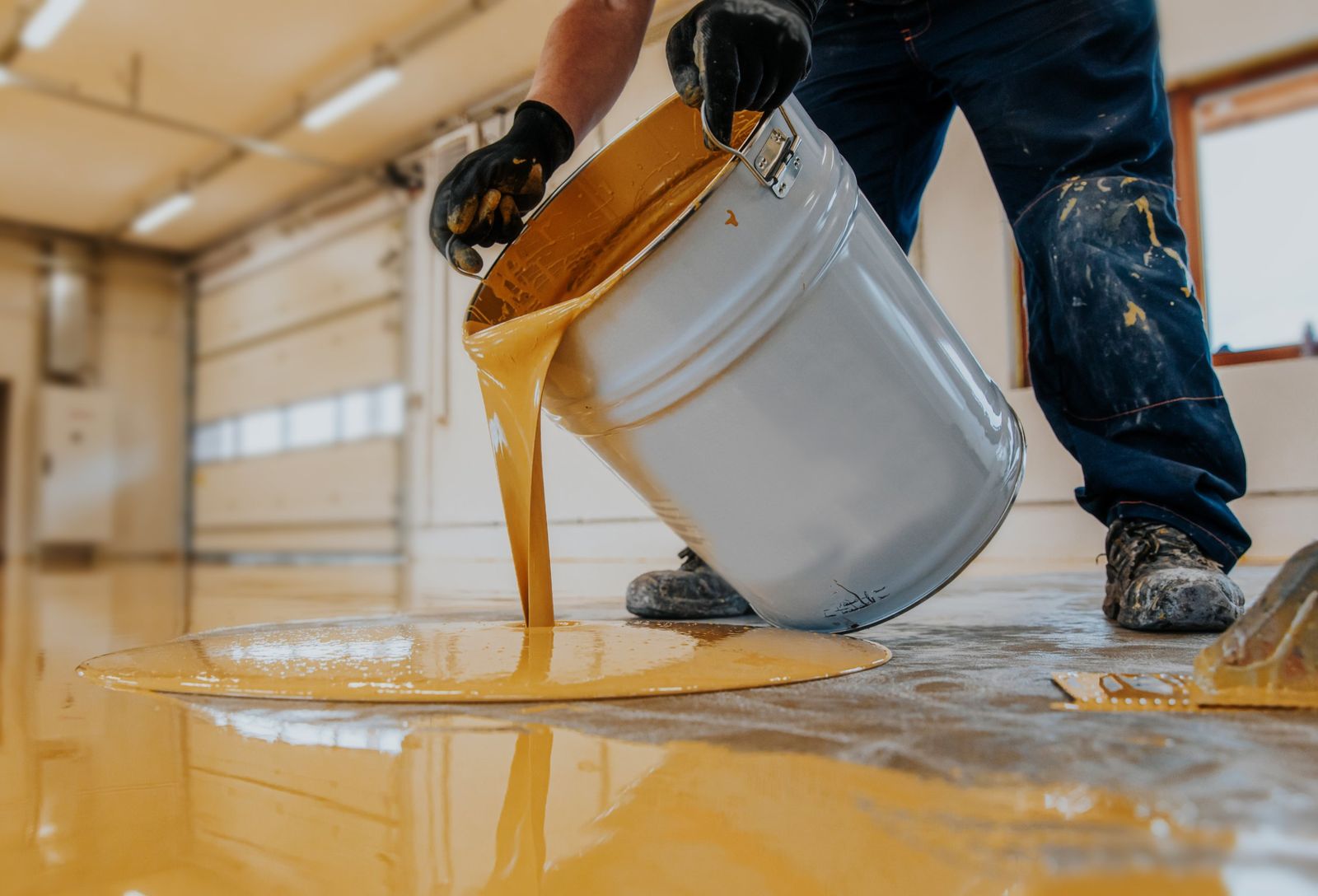
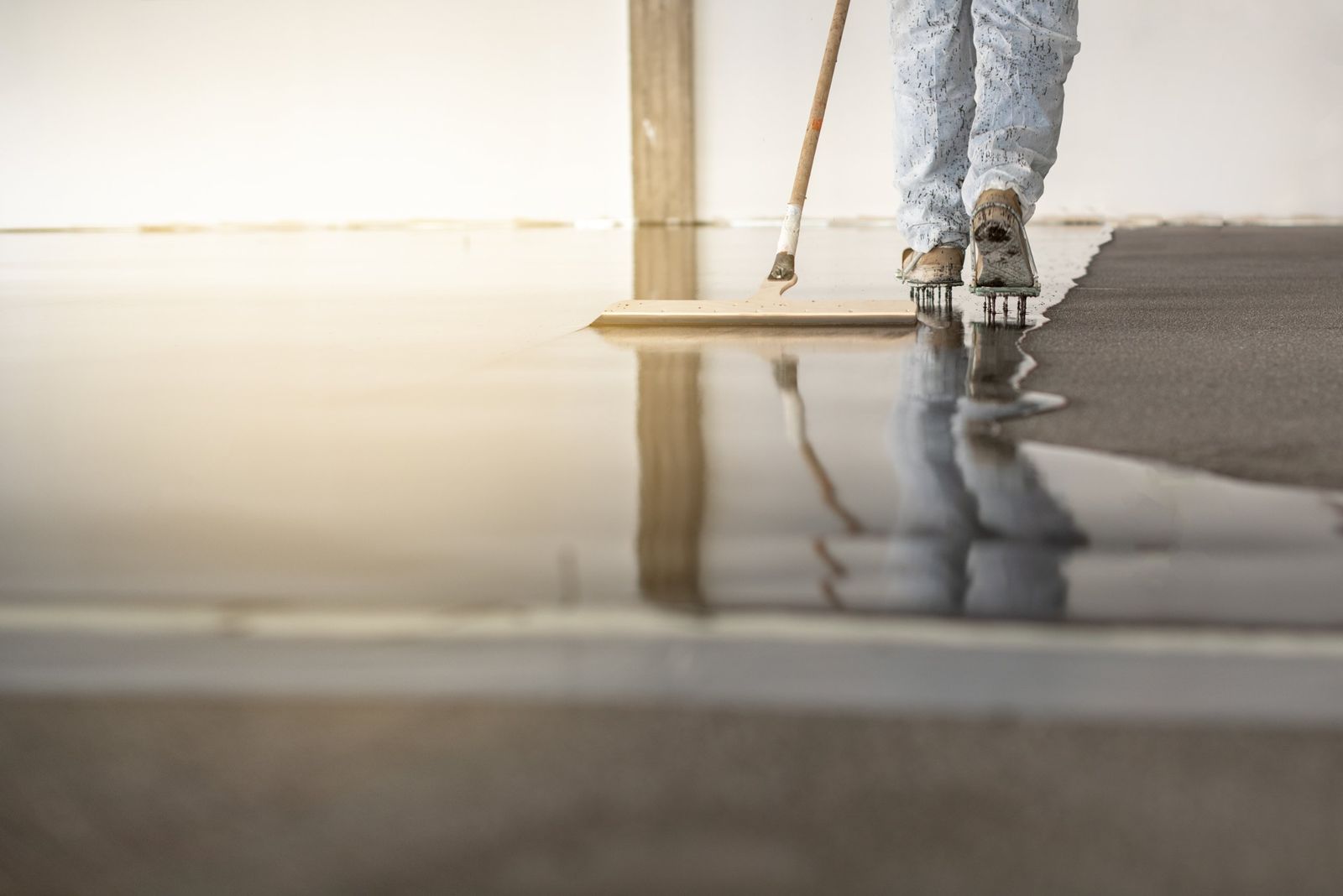
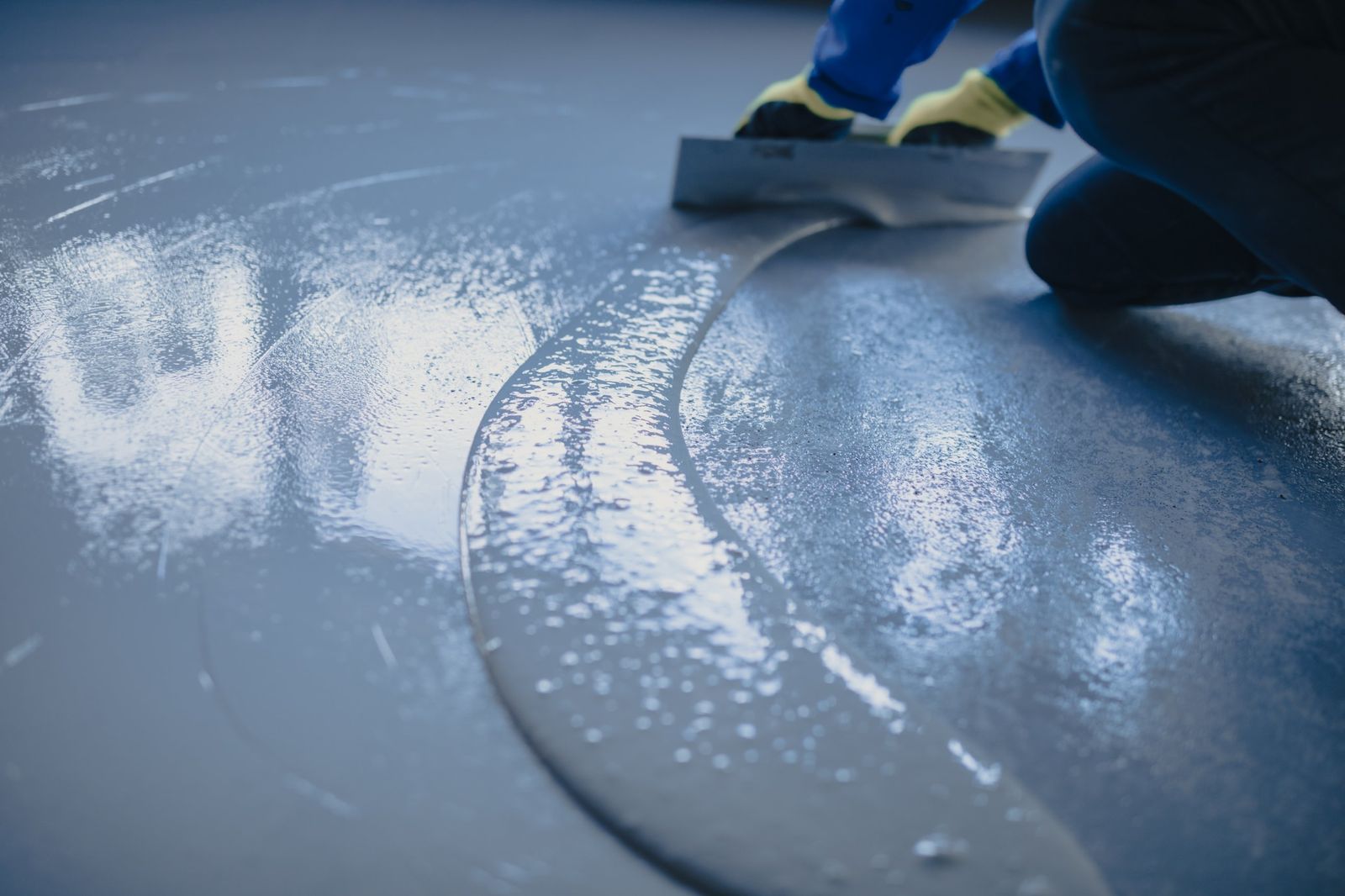
A flake floor is a layered coating system rather than loose decorative chips placed on bare concrete. After the slab is prepared, a compatible base coat is applied and decorative flakes are broadcast into it. The flakes may be scattered partially or applied to a dense, full-broadcast appearance. After curing, excess material is removed or leveled as required, then a clear topcoat seals the design and establishes the final sheen and texture. The complete system's performance depends on the base, flakes, topcoat, preparation and intended use.
Choosing Flake Colors and Coverage
Flake blends range from subtle gray and tan combinations to higher-contrast colors. A multi-tone blend can make everyday dust less noticeable than a perfectly uniform dark surface, although no color hides all dirt. Partial coverage leaves more of the base color visible; full broadcast creates a denser, more uniform chip pattern. The amount and size of flake influence the final appearance and texture. Ask to review a sample of the actual system, because the finished look changes with lighting, topcoat sheen and the amount of flake used.
Why Homeowners Choose Flake Floors
Decorative flake systems can provide a finished appearance, a continuous surface that is easy to sweep and a textured profile that can be tailored to the application. They are popular in garages because the pattern can soften the appearance of tire marks and routine dust. In workshops, a coated surface can make cleanup easier than unfinished concrete. Flake finishes are also available for selected commercial spaces. However, a coating does not eliminate all stains or make concrete maintenance-free; spills and abrasive debris should still be managed.
Residential and Commercial Applications
Residential uses include garages, hobby spaces and suitable utility rooms. Commercial uses may include showrooms, staff areas, service spaces and other locations where a decorative but practical floor is desired. Heavy industrial environments need a system designed for their equipment and traffic, not simply a decorative finish chosen by appearance. Outdoor patios require a coating system approved for UV and weather exposure. The same flake blend can behave differently depending on the base and topcoat, so the installation should be specified for each location.
Texture, Traction and Cleanability
The flakes and topcoat affect surface texture, but texture alone does not guarantee slip resistance. Wet conditions, oil, dust, footwear and cleaning practices all influence traction. A more textured floor may improve grip in some settings but can take more effort to clean. The topcoat may be applied at different levels of smoothness depending on the system. Discuss where water is likely, whether people walk barefoot, and whether the floor must be cleaned frequently before selecting a finish.

Coating Chemistry Beneath the Flakes
Flake floors may use epoxy, polyurea or other compatible base coats, with polyaspartic or another suitable topcoat. Epoxy can provide a substantial base layer; polyurea and polyaspartic systems may offer faster cure, depending on the formulation. UV exposure matters because some epoxy surfaces can discolor in sunlight. A UV-stable topcoat can be useful in exposed areas, but it must be compatible with the full system. Ask the contractor to identify the layers rather than describing the installation only as 'flake epoxy.' Preparation Is the Foundation Concrete should be checked for oil, paint, sealer, cracks, spalling, weak areas and moisture conditions. Mechanical grinding commonly creates the profile needed for bonding and removes incompatible material. Repairs must be compatible with the coating and should not conceal active structural movement. Dust must be removed before application. If the slab has moisture vapor issues, the system may require testing and a compatible mitigation plan. Flakes can make a floor look more uniform, but they cannot compensate for poor adhesion or an unstable substrate.
Installation From Start to Finish
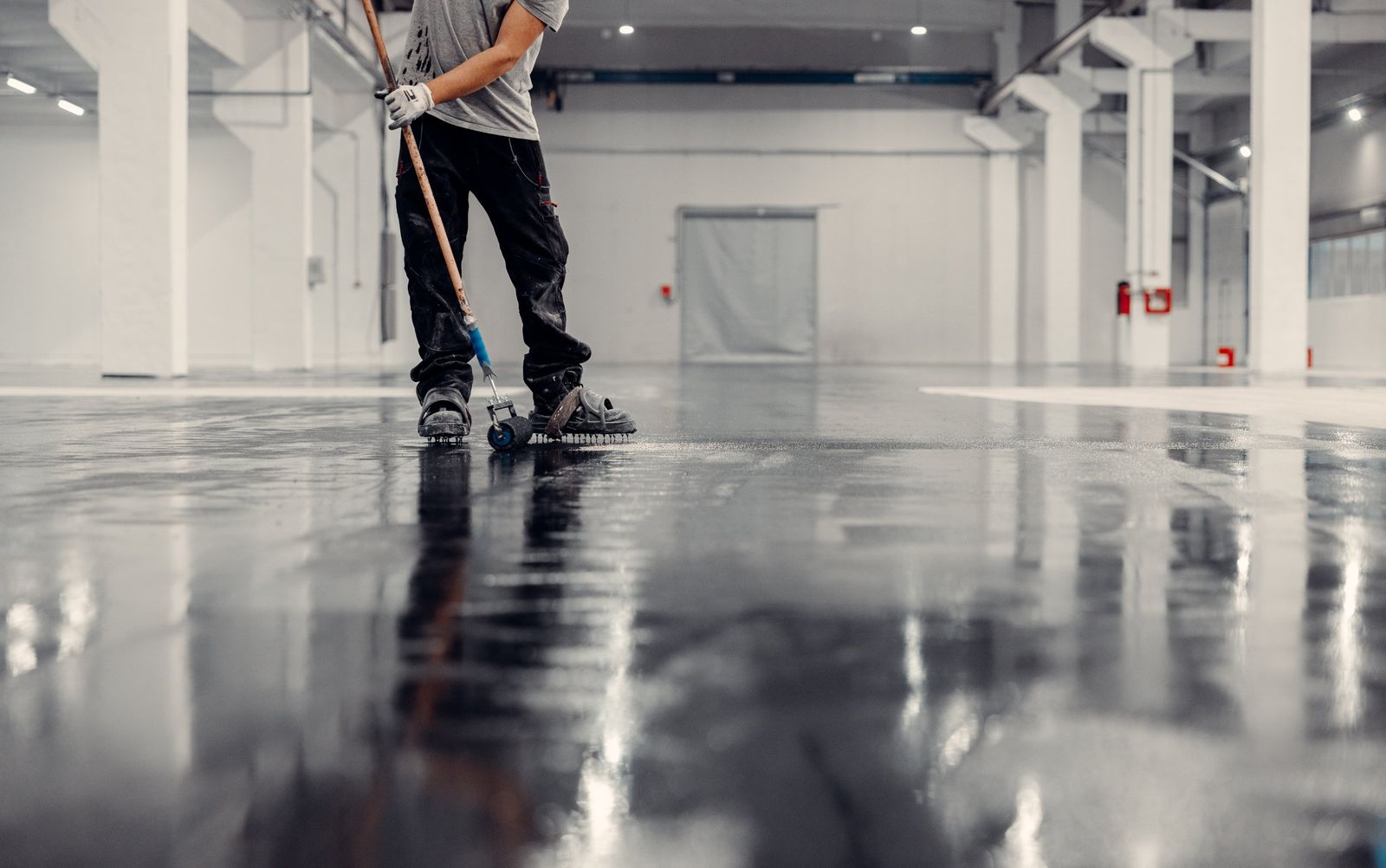
The installer measures the area, reviews the slab and confirms the color blend, flake coverage and texture. After mechanical preparation and repairs, the base coat is applied at the specified coverage. Flakes are broadcast evenly while the coating is receptive. Once the base has cured sufficiently, loose flakes are removed and the surface is prepared for the topcoat. The topcoat seals the pattern and sets the finish. Cure times vary, so foot traffic, furniture and vehicle use must wait until the product permits them.
Maintenance and Repair
Routine care typically involves sweeping or dust-mopping to remove grit, followed by damp mopping with a compatible cleaner. Avoid harsh solvents unless approved for the topcoat. Use protective pads under metal equipment and avoid dragging sharp objects. If the clear layer becomes worn or damaged, a professional can evaluate whether localized repair or recoating is appropriate. A repair may be visible because flakes and lighting vary across the floor; discuss expectations before work begins.
Choosing a Flake Flooring Contractor
Ask what base coat and topcoat will be used, how the slab will be prepared, whether the flake broadcast is partial or full, and how texture is controlled. Request a written scope describing repairs, cure times and maintenance. Verify that the system suits the location, especially if the floor receives sunlight, vehicle traffic or wet cleaning. Avoid relying only on small color swatches or a claim that all flake systems are equivalent.
Why Apache Junction Epoxy Flooring
Apache Junction Epoxy Flooring can help property owners compare decorative flake flooring choices for concrete in Apache Junction. The discussion should cover the intended room, the slab's condition, preferred colors, texture and exposure. That allows the finish to be considered as a complete system rather than a decorative layer alone. Contact the company to ask about flake options and request a project estimate.
Frequently asked questions
What is decorative flake flooring made of?
Decorative flakes are typically vinyl or polymer chips broadcast into a compatible coating base and sealed with a protective topcoat.
Can I choose my own flake colors?
Many systems offer multiple blends and coverage styles. Confirm the available colors and review a sample under the lighting where the floor will be installed.
Does full-broadcast flake provide more texture?
Flake coverage affects texture, but the final traction depends on the topcoat, aggregate and application. Discuss the use conditions with the installer.
Can flake flooring be installed outdoors?
It can be suitable for some exterior areas when the complete coating system is designed for UV and weather exposure.
Will decorative flakes hide cracks?
They can visually break up minor variation, but cracks need proper evaluation and repair. Active movement may reappear through the system.
Is flake flooring easy to clean?
It is generally straightforward to sweep and damp-mop, although more textured finishes can require extra attention during cleaning.
How long does installation take?
Timing depends on preparation, coating chemistry, weather and cure requirements. Get the return-to-use schedule for your specific system.
Can an existing flake floor be recoated?
Possibly, after inspection. The existing topcoat, adhesion, contamination and damage determine whether it can be prepared and recoated.