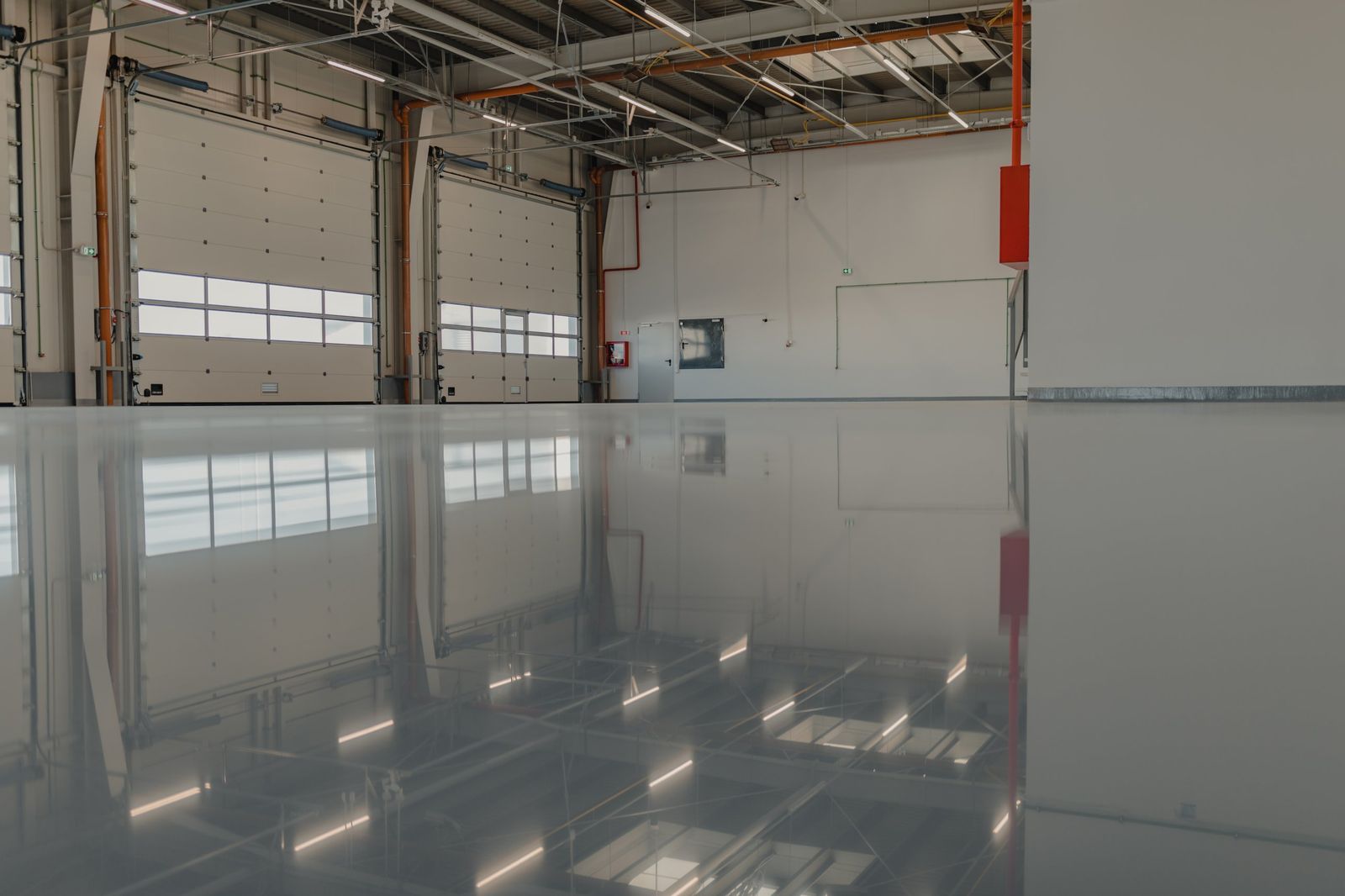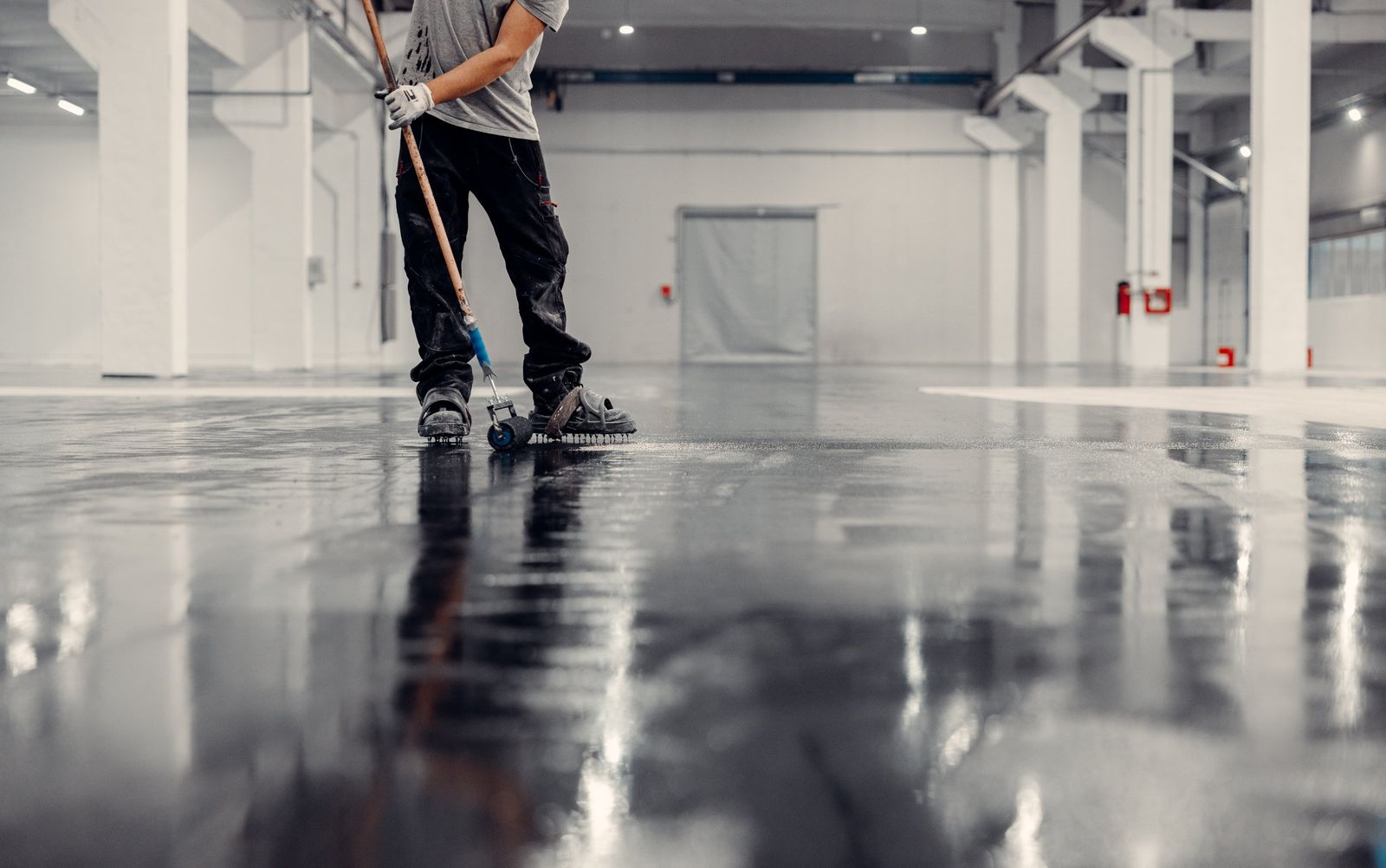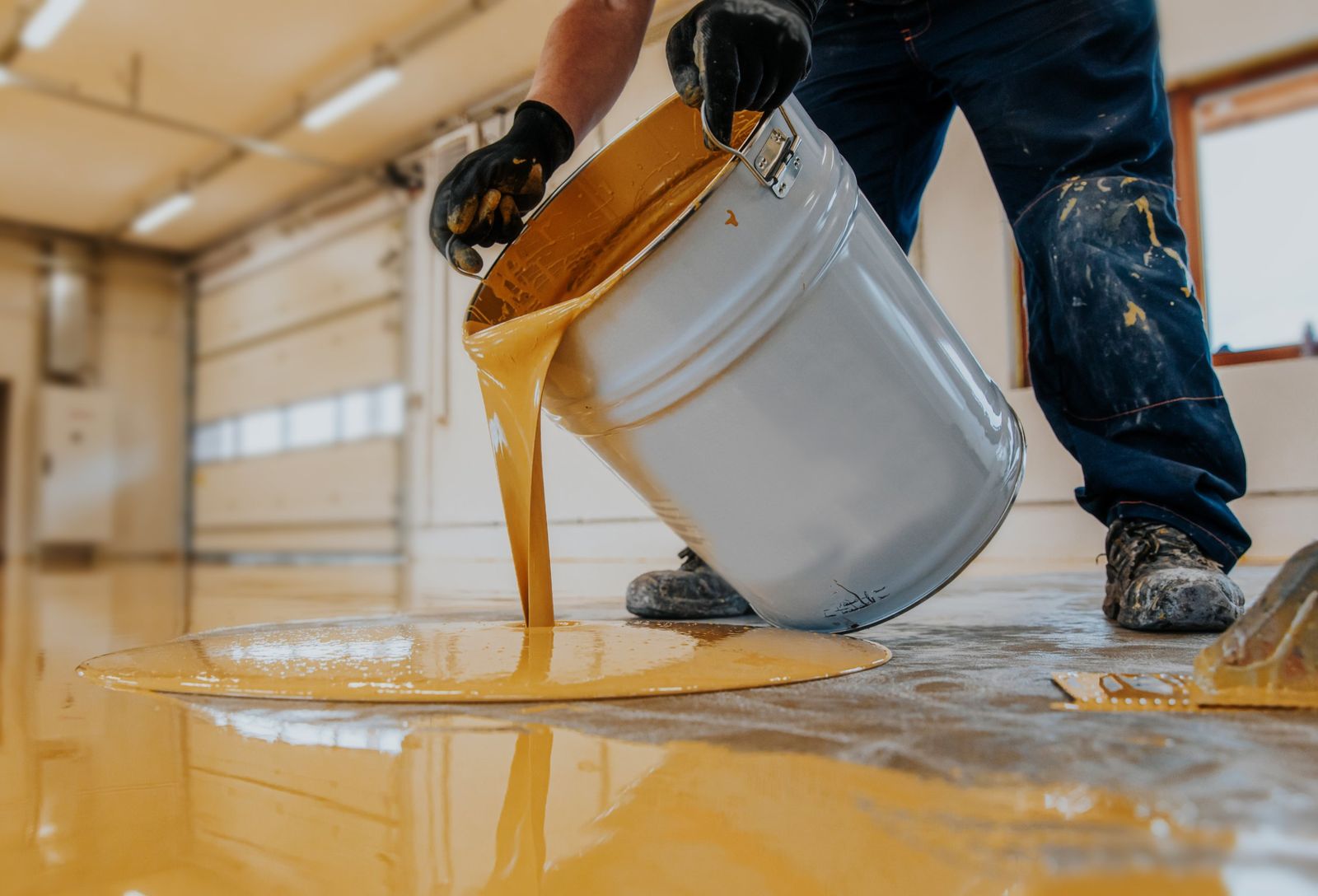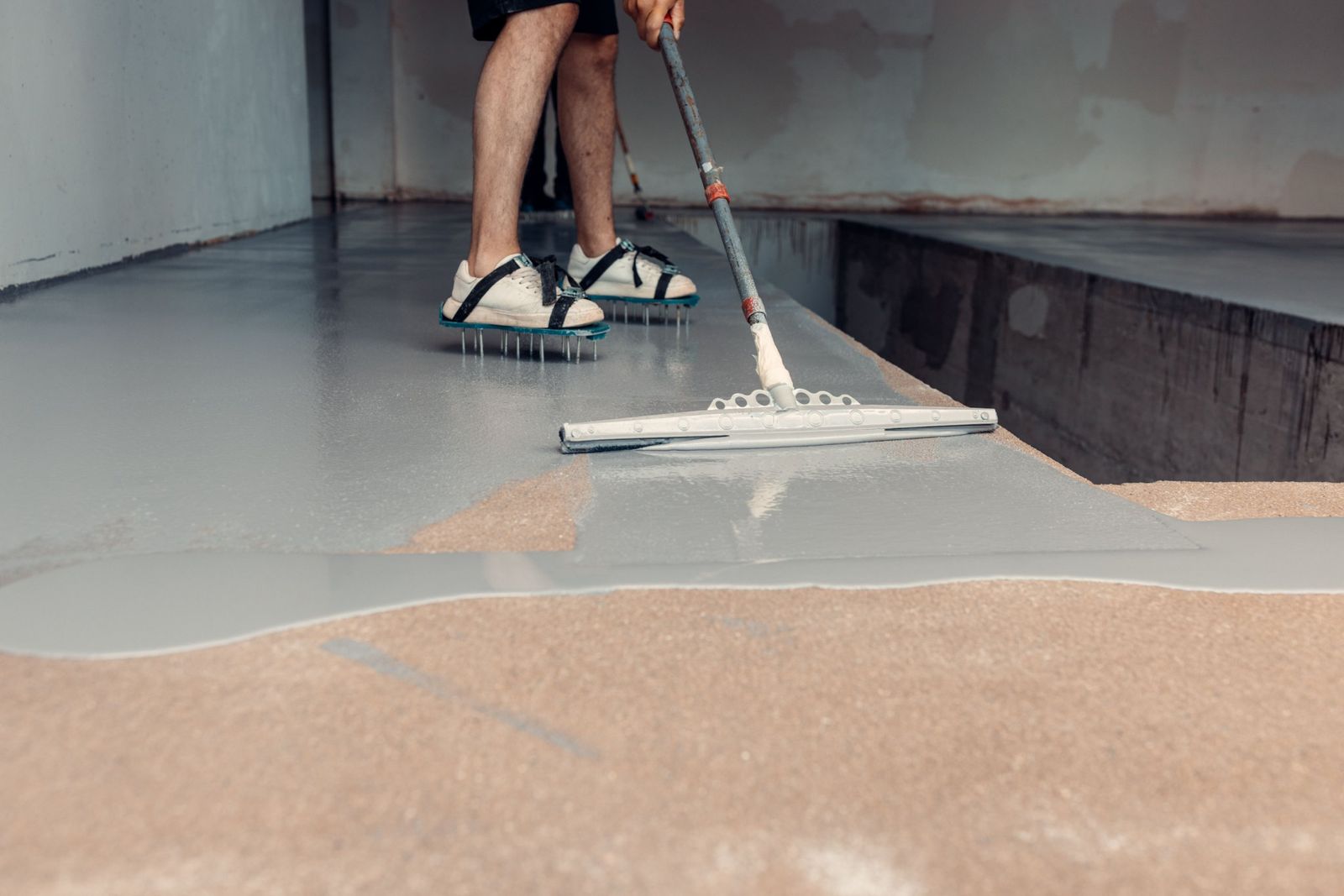

Concrete is a practical foundation, but bare slabs can look unfinished, hold dust and absorb spills. Residential epoxy flooring gives homeowners another way to finish suitable concrete in garages, workshops, utility rooms and select interior spaces. Apache Junction Epoxy Flooring helps property owners in Apache Junction, Arizona, consider coating options around the slab's condition, the room's purpose and the look they want to achieve. The key is choosing a system for the actual environment: a sunlit garage, a shaded utility room and a decorative interior floor do not necessarily need the same coating build.

Understanding Residential Epoxy Flooring
Epoxy flooring uses a resin and hardener that react to form a hard, bonded surface over properly prepared concrete. Residential systems can be plain and functional or decorative, with colored flakes, solid pigments or metallic effects. The term 'epoxy floor' is often used broadly, although many installations pair an epoxy base with a different topcoat. That distinction matters because UV exposure, abrasion, chemicals and cure schedules vary by product. Before choosing a finish, evaluate the concrete and how the room will be used.
Where Homeowners Use Epoxy
Garages are a common application because a coated surface can make cleanup easier and help resist routine wear from tires, tools and storage. Workshops and hobby rooms benefit from a surface that is easier to sweep than rough concrete. Laundry rooms, storage rooms and some finished interior spaces may also be candidates when the slab and indoor conditions are appropriate. Kitchens, bathrooms and other areas with frequent standing water require careful consideration of traction, moisture and whether a coating is the most suitable flooring choice. Existing floor coverings, adhesives and moisture conditions can affect feasibility.
Benefits and Practical Limitations
A properly selected coating creates a continuous surface without grout lines, helps reduce concrete dust and can improve resistance to many everyday spills. Color and decorative choices allow a room to feel more intentional. Epoxy can also build a thicker film than some paint-like floor finishes. However, it is not a universal solution: direct sunlight can discolor some epoxy formulations, substrate movement may cause cracks to show through, and a hard glossy finish can be slippery when wet. A coating also follows the slab's general shape, so it does not correct unevenness or drainage problems on its own.
Choosing a Finish for Your Home
Solid-color epoxy offers a clean, uniform appearance and can suit workshops or utility spaces. Decorative flake systems add visual variation and can provide texture based on the selected broadcast and sealer. Metallic epoxy creates flowing, marbled patterns with depth; the result is handcrafted and cannot be reproduced exactly from a small sample. A UV-stable topcoat may be appropriate where sunlight reaches the floor. Sheen, color, texture and maintenance needs should be considered together rather than choosing by appearance alone.
Concrete Evaluation and Preparation
The coating's performance depends heavily on the concrete beneath it. An installer should identify old paint or sealer, oil, adhesive residue, cracks, spalling, weak concrete and signs of moisture. Mechanical grinding typically creates the surface profile needed for adhesion and removes incompatible material. Repairs should be compatible with the coating system. Joints deserve special attention: some are designed to accommodate movement and should not automatically be filled rigidly. Moisture testing and mitigation may be necessary if the slab exceeds product limits. These steps reduce avoidable risks but cannot guarantee that every substrate issue disappears.

A Typical Residential Project
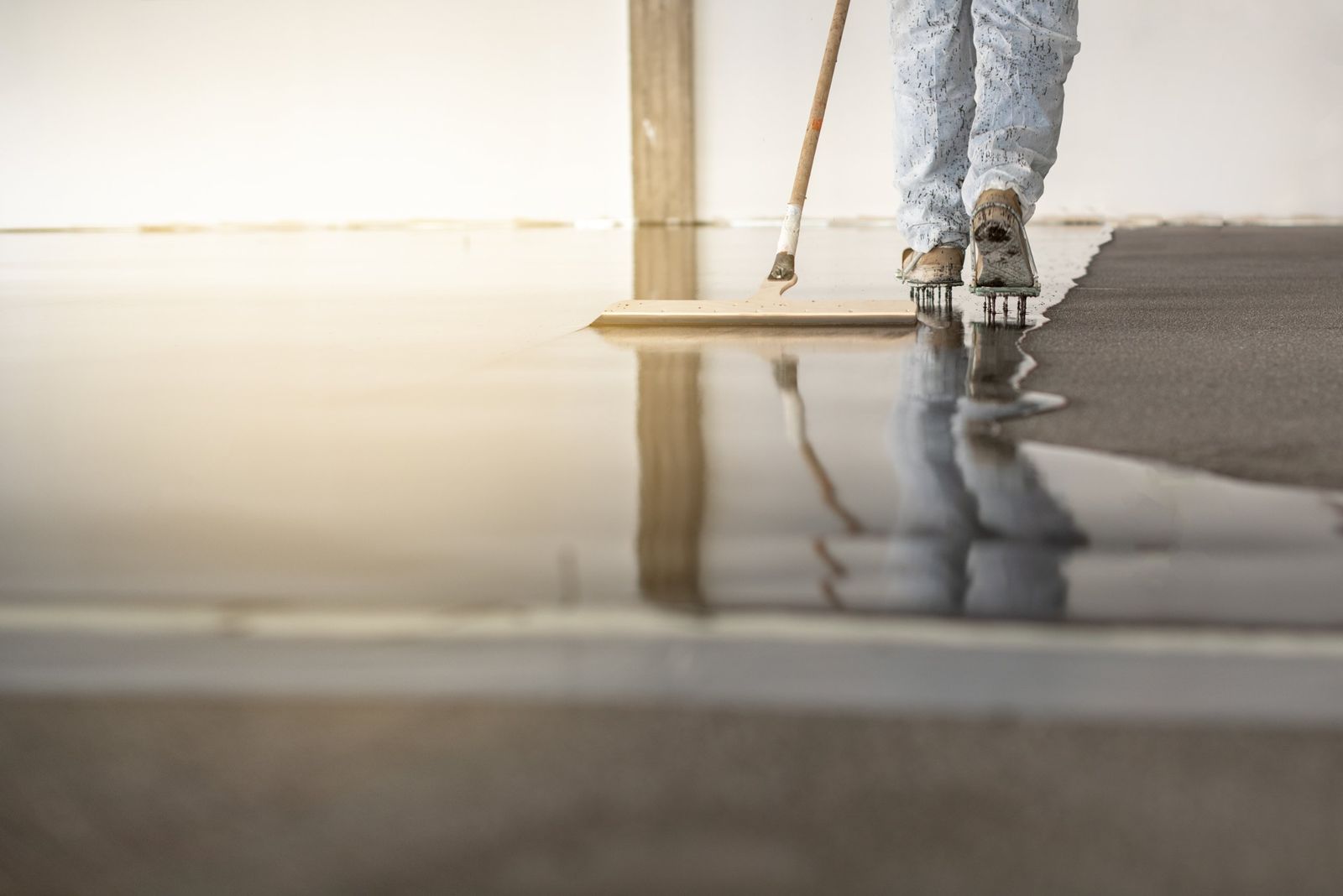
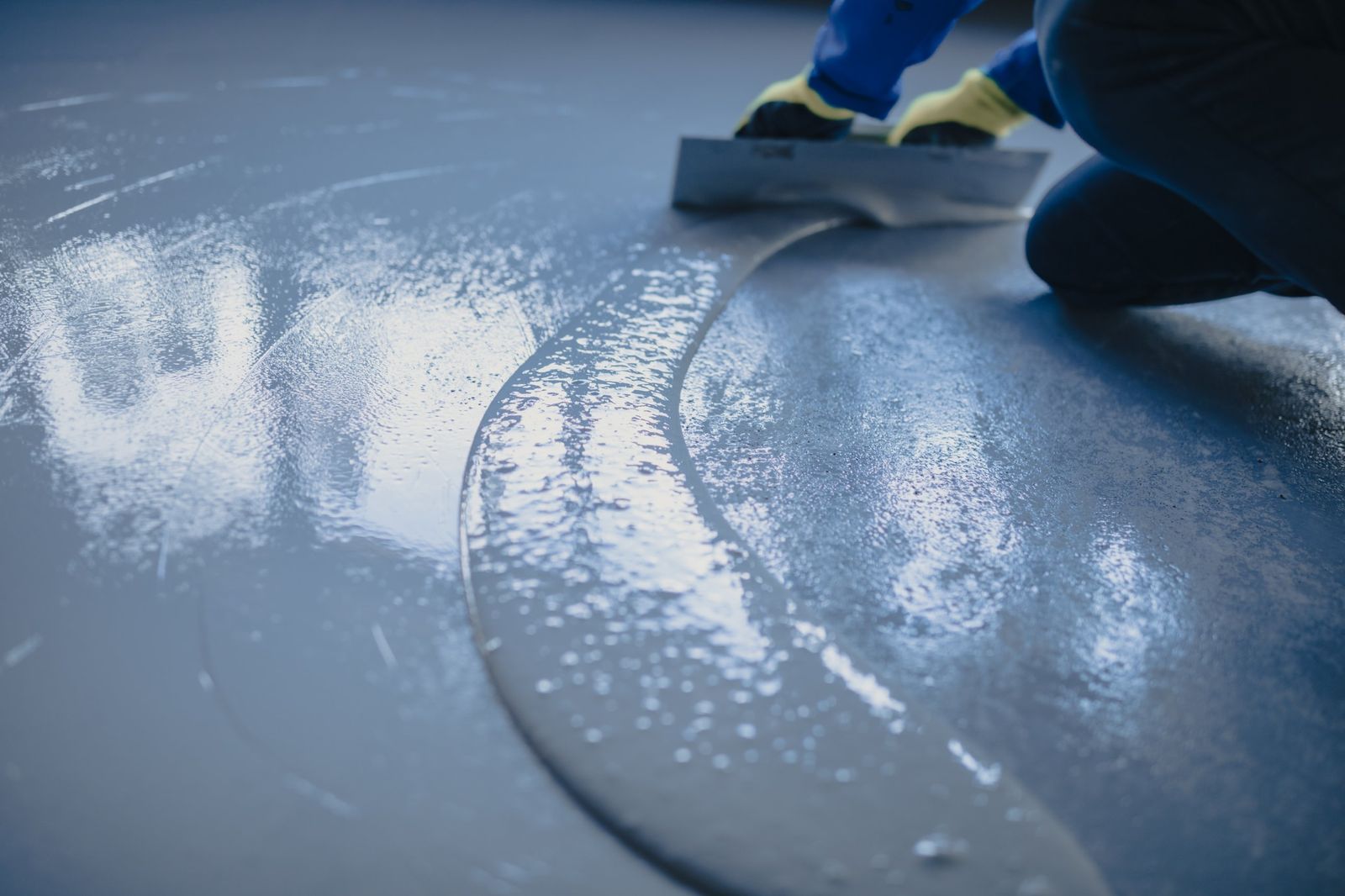
The process generally begins with a walkthrough, measurements and discussion of room use, finish preferences and timing. After the slab is assessed, the contractor defines preparation and repairs, then mechanically profiles the surface and removes dust. Primer or base coat is applied according to the product specification. Decorative materials are added if chosen, and a compatible protective topcoat completes the system. The installer explains ventilation, access restrictions, cleaning and when furniture or vehicles can return. Homeowners should plan to clear the room and protect adjacent spaces before work begins.
Indoor Air, Safety and Product Handling
Resin systems differ in chemistry, odor, VOC content and handling requirements. Ask the contractor which products will be used and what ventilation or occupancy precautions apply during installation and cure. Keep children, pets and occupants away from the work zone as directed. Product safety data sheets and technical data sheets provide important handling and application information. Do not assume every epoxy is odorless or suitable for every occupied environment.
Why Hire a Professional
Correct mixing ratios, surface profile, moisture assessment, film thickness and recoat timing all influence the result. DIY kits can be suitable for some small projects, but they may not address difficult slabs, old coatings or moisture conditions. Professional preparation equipment can remove weak concrete and create a more consistent surface than basic cleaning alone. A contractor should explain the system's limitations, not just its advertised benefits.
Selecting a Residential Flooring Contractor
Ask for the proposed product names, preparation method, repair scope, topcoat, expected cure time and maintenance instructions. Confirm whether the quote includes removal of old paint, crack repair and moisture testing where needed. Request samples or view comparable finishes in person if available. Clarify how the contractor treats control joints and what happens if previously hidden damage appears. Written scope and realistic expectations are more useful than vague claims about a floor being indestructible.
Why Apache Junction Epoxy Flooring
Apache Junction Epoxy Flooring offers a local point of contact for discussing concrete coating options in Apache Junction. Customers can explain their room, usage patterns and design preferences and ask which systems may fit the site. A practical recommendation should balance appearance, substrate condition, durability, exposure and budget. Contact the company to discuss a residential epoxy flooring estimate and the preparation required for your slab.
Maintenance and Longevity
Allow the coating to cure for the specified period before moving furniture or heavy equipment back. Use protective pads under furniture legs and avoid dragging metal objects across the finish. Sweep grit frequently and clean with a product compatible with the coating. Address chips or worn areas promptly, especially if concrete becomes exposed. Lifespan varies with product quality, preparation, traffic, sunlight, moisture and maintenance, so no single duration applies to every residential floor.
Service Area
Apache Junction, Arizona, is the focus of this service page. Gold Canyon, Mesa, Queen Creek and nearby East Valley communities may be considered based on the project's location and availability. Ask about your address when requesting an estimate.
Frequently asked questions
Can epoxy flooring be installed inside a house?
It can be suitable for some interior concrete floors, but room use, moisture, ventilation, traction and product chemistry must be considered before choosing a system.
Does residential epoxy flooring yellow in sunlight?
Some epoxy formulations can discolor with UV exposure. A compatible UV-stable topcoat or another coating chemistry may be recommended for sunlit areas.
Can epoxy go over tile?
It depends on tile condition, adhesion, movement and the complete system specification. Many projects require removal of the existing floor covering to prepare a reliable substrate.
Is epoxy flooring easy to clean?
A continuous coated surface is generally straightforward to sweep and damp-mop. Use cleaning products approved for the specific topcoat.
Will epoxy fix uneven concrete?
No. Coatings follow the substrate and do not automatically correct slopes, settlement or major unevenness. Leveling or concrete repairs may be needed first.
How long before I can use the room?
The timeline varies by product and conditions. Ask for separate estimates for light foot traffic, furniture placement and full service.
Can I choose a decorative finish?
Yes, depending on the system. Solid colors, flake blends and metallic effects are common options, each with different appearance and texture.
What causes residential epoxy floors to peel?
Possible causes include poor preparation, contamination, excess moisture, incorrect mixing or application outside the product's limits.