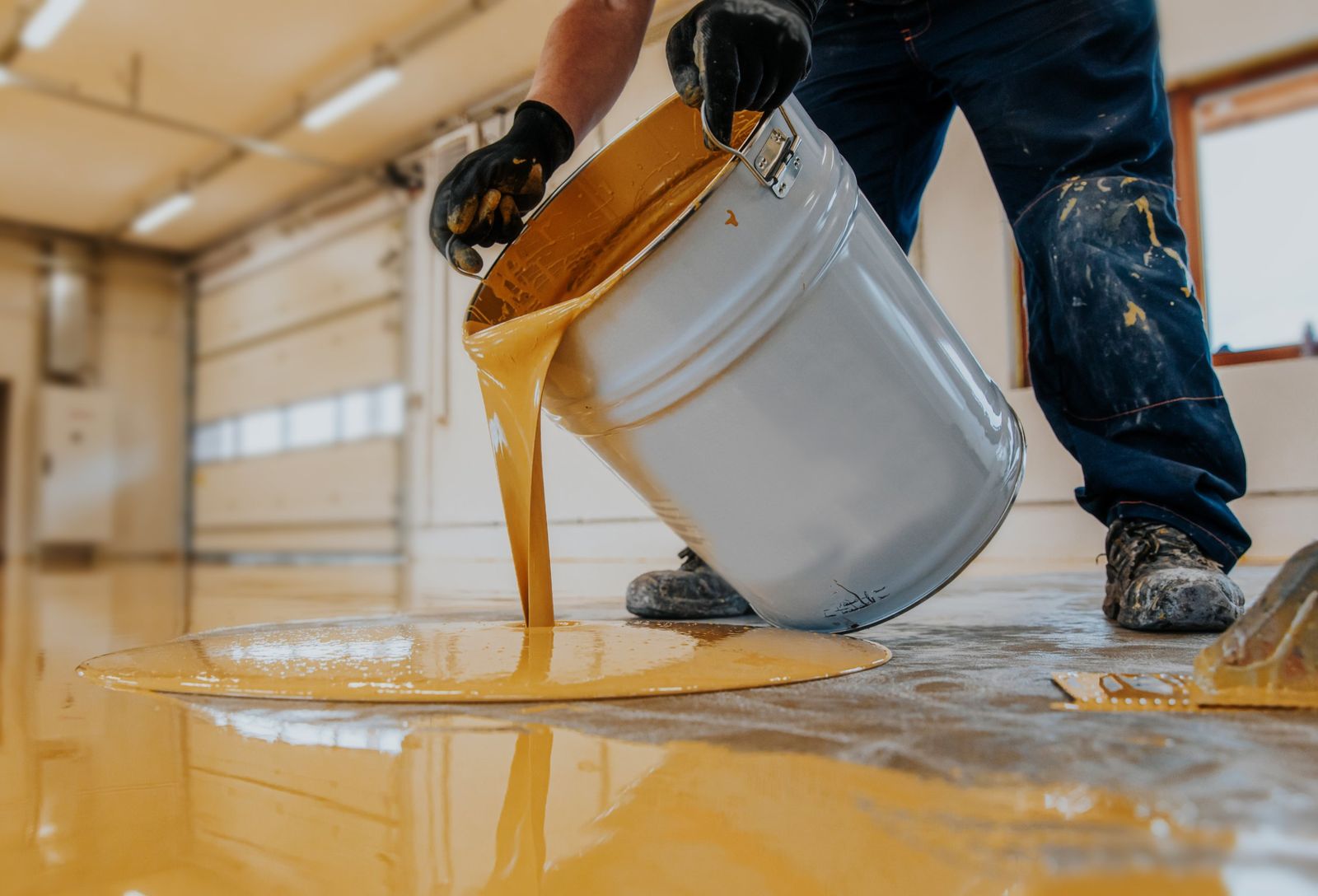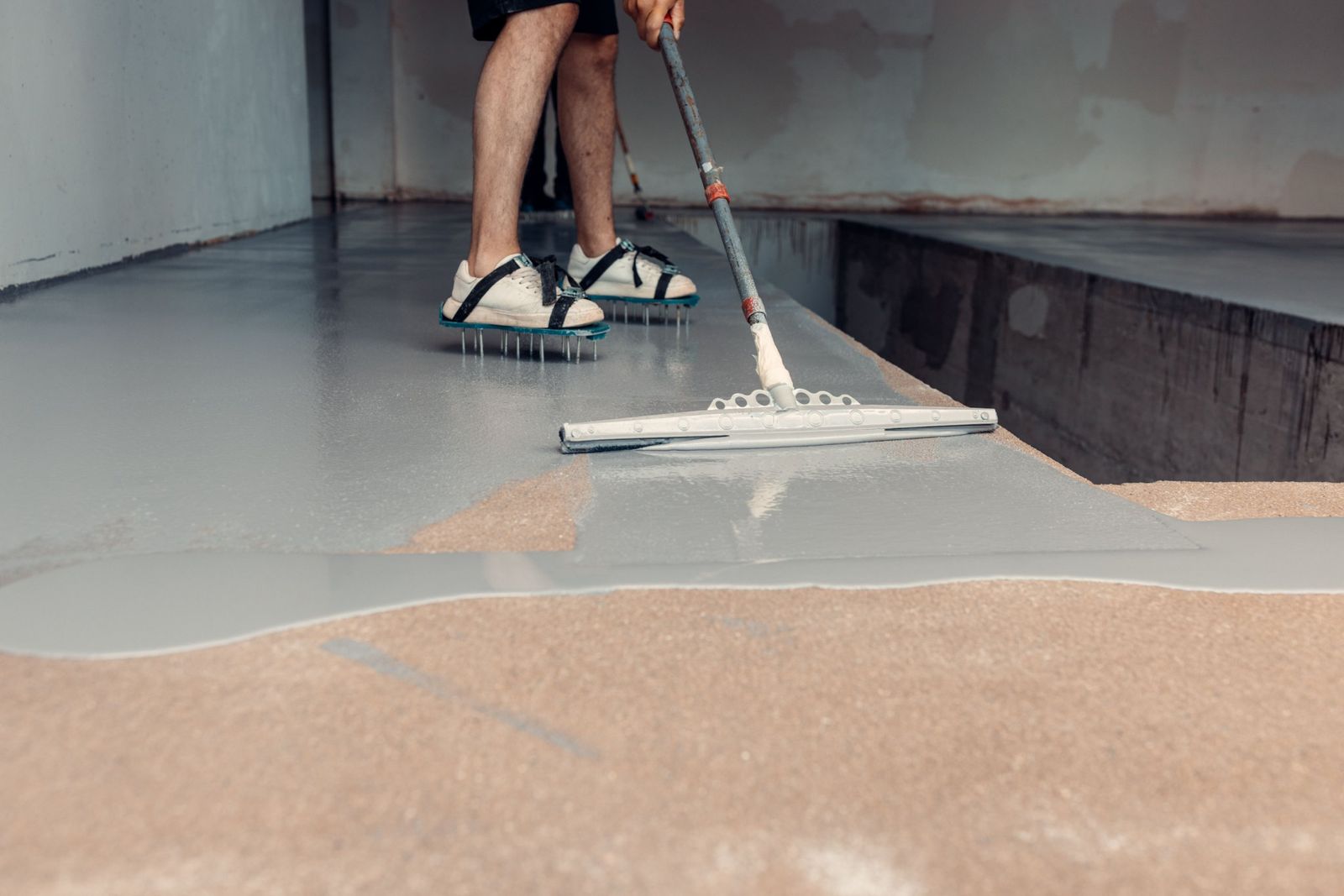

Polyurea floor coatings are used in a range of concrete protection systems because some formulations combine flexibility, chemical resistance and rapid cure. Those traits can be valuable for garages and commercial spaces, but polyurea products differ widely in application method, thickness and performance. Apache Junction Epoxy Flooring helps property owners and businesses in Apache Junction, Arizona, evaluate coating options by looking at the concrete, traffic, exposure and installation schedule. A reliable result depends on a suitable product and disciplined preparation—not simply on choosing a coating with a high-performance name.

Understanding Polyurea Floor Coatings
Polyurea is a coating chemistry formed by a reaction between isocyanate and amine components. Products may be spray-applied or designed for roller application, and their working characteristics vary. Some cure very quickly and can accommodate movement better than more rigid materials, while specific formulations provide resistance to abrasion or chemicals. The label alone does not establish whether a product suits a particular floor. Review the manufacturer's technical documentation and match the system to the environment.
Potential Benefits and Tradeoffs
Depending on the formulation, polyurea can offer fast cure, flexibility and resistance to selected chemicals and wear. Faster cure may reduce certain installation delays, although surface preparation and repairs still take time. Short working windows can demand careful planning and experienced application. Some products are sensitive to moisture or temperature during installation, and not every polyurea system is UV stable. The contractor should identify the exact product and explain where a polyurea system is beneficial compared with epoxy or polyaspartic alternatives.
Garage and Residential Applications
Garage floors face grit, hot tires, vehicle movement, occasional spills and storage loads. A polyurea system may be part of a multi-layer garage coating, often paired with decorative flakes and a compatible protective topcoat. Home workshops and utility areas may also be candidates. The slab must be inspected for oil, weak concrete, old coatings and moisture. If sunlight reaches the floor, ask whether the top layer is designed to resist UV discoloration.
Commercial and Light-Industrial Uses
Selected service areas, workshops, storage rooms and commercial spaces may benefit from polyurea systems when the product is rated for the exposure. Heavy equipment, forklift traffic, thermal shock, standing chemicals or frequent washdown require careful specification. A coating used in a residential garage may not withstand industrial turning loads or aggressive cleaning. Identify the operating conditions and ask for documentation that supports the intended use. Regulated environments may need additional product approvals or performance testing.
Polyurea Compared With Epoxy and Polyaspartic
Epoxy is often selected for adhesion and film build, polyurea for particular combinations of flexibility and fast cure, and polyaspartic for UV stability and quick cure in suitable systems. These are broad tendencies, not guarantees for every product. Multi-layer systems may combine chemistries to balance performance. Compare the complete assembly, including primer, base coat, decorative layer and topcoat, as well as required thickness, cure windows, moisture limits and maintenance.

The Importance of Concrete Preparation
Concrete should be evaluated for cracks, spalling, oil, sealers, weak surface paste and prior coatings. Mechanical preparation commonly creates a consistent profile and removes incompatible material. Repairs must suit the crack or defect and the coating chemistry. Dust removal is essential, and moisture testing may be appropriate. Coating over contamination or an unstable layer can undermine adhesion even if the top material itself is durable.
Application and Cure Management
Many polyurea products have rapid reaction times, so mixing, equipment calibration, application speed and environmental control are important. The contractor should plan material quantities and work sections in advance, monitor surface conditions and follow the product's recoat window. Homeowners and facility managers should understand that rapid cure does not mean immediate unrestricted use. The floor may need additional time before heavy loads, vehicles or chemical exposure are permitted.
A Typical Project
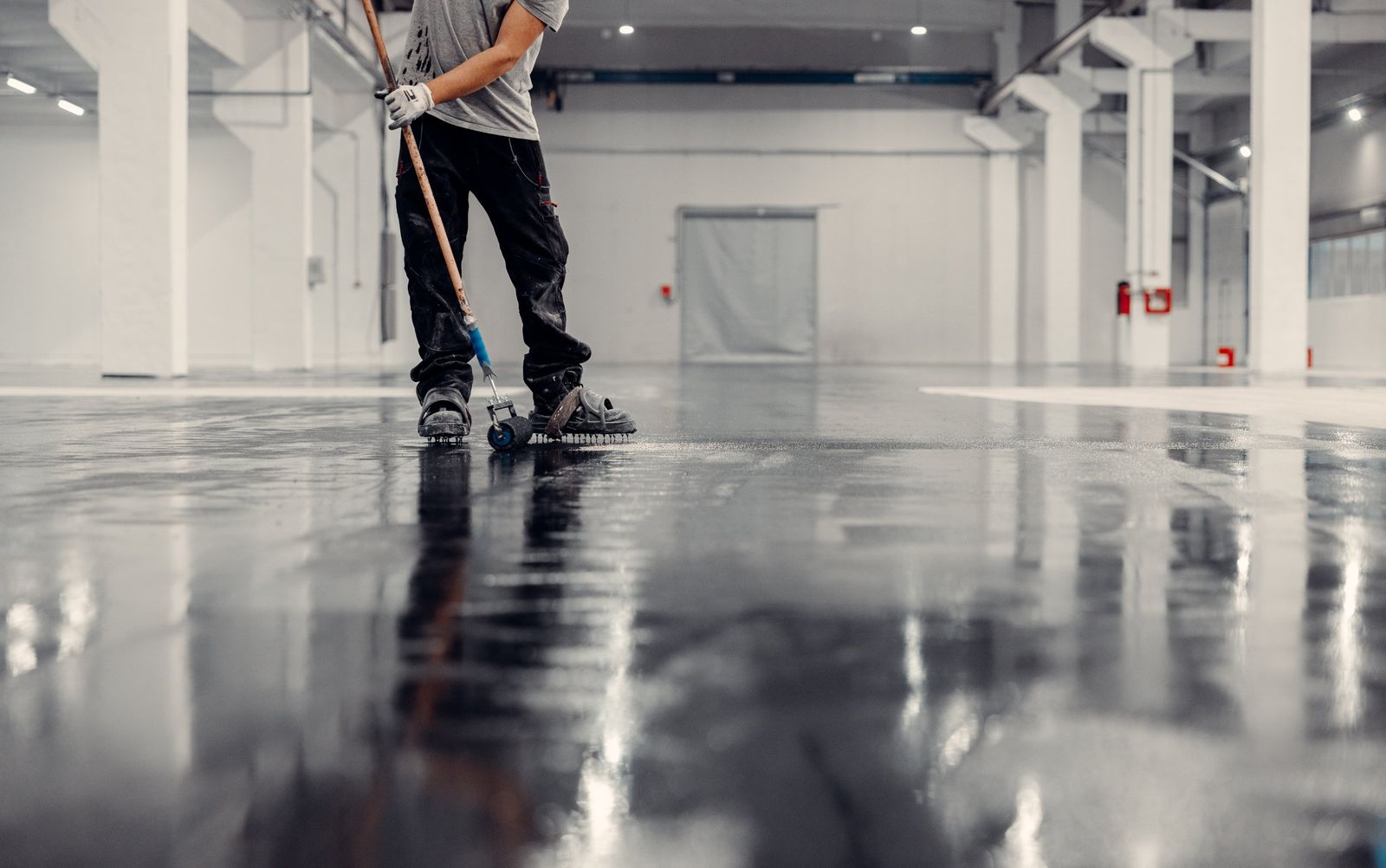
A project usually starts with a site assessment and discussion of use, appearance, budget and scheduling. The contractor measures the area, identifies repairs and checks whether the slab meets product requirements. Mechanical preparation and dust collection are completed before repairs and primer or base coat. Decorative flakes or other finishes may be added, then a compatible topcoat completes the system. The installer provides cure instructions, maintenance guidance and details about the system's limitations.
Safety and Product Information
Polyurea components can require careful handling and appropriate protective equipment. Installation precautions depend on the formulation and method of application. Ask about ventilation, access restrictions, odor, product safety data and how nearby occupants or workers should be protected. Do not enter the work zone until the installer says it is safe. For commercial sites, coordinate the work plan with the responsible facility and safety personnel.
How to Choose a Polyurea Contractor
Request exact product names, application method, coating build, preparation specification, repair details and cure expectations. Ask how the contractor controls rapid working time and whether the product is suitable for UV exposure or the chemicals present. Confirm who handles joints and moisture concerns. A written proposal should identify included work and exclusions, rather than relying on a generic promise of a long-lasting floor.
Why Apache Junction Epoxy Flooring
Apache Junction Epoxy Flooring can help customers in Apache Junction compare polyurea floor coating options with other concrete systems. Discuss the space's use, the slab's condition, desired finish and operational schedule so the recommendation reflects the project rather than the chemistry name alone. Contact the company to request an estimate and ask which system may fit your concrete floor.
Frequently asked questions
What is polyurea flooring?
It is a protective floor coating system based on polyurea chemistry. Formulations differ in application method, cure speed, flexibility and resistance.
Does polyurea cure faster than epoxy?
Many polyurea products cure quickly, but actual times vary by formulation and conditions. Preparation and repairs still require time.
Is polyurea suitable for Arizona garages?
It may be suitable when the complete system matches hot-tire contact, sunlight, slab conditions and use. Confirm the product specification.
Can polyurea be used outdoors?
Some systems can, but UV stability and exterior suitability must be verified for the specific product and topcoat.
Is polyurea flexible?
Some formulations offer flexibility, but the amount varies. Ask for product-specific performance details rather than assuming all products behave alike.
Can polyurea floors handle forklifts?
Some systems may be specified for industrial traffic, but loads, wheel type, turning and slab condition must be considered.
Why is surface preparation important?
Preparation removes weak material and contamination and creates the profile needed for bonding. Skipping it can cause coating failure.
How do I compare a polyurea quote?
Compare product specifications, layers, thickness, preparation, repairs, cure limits, maintenance and exclusions—not only the quoted price.