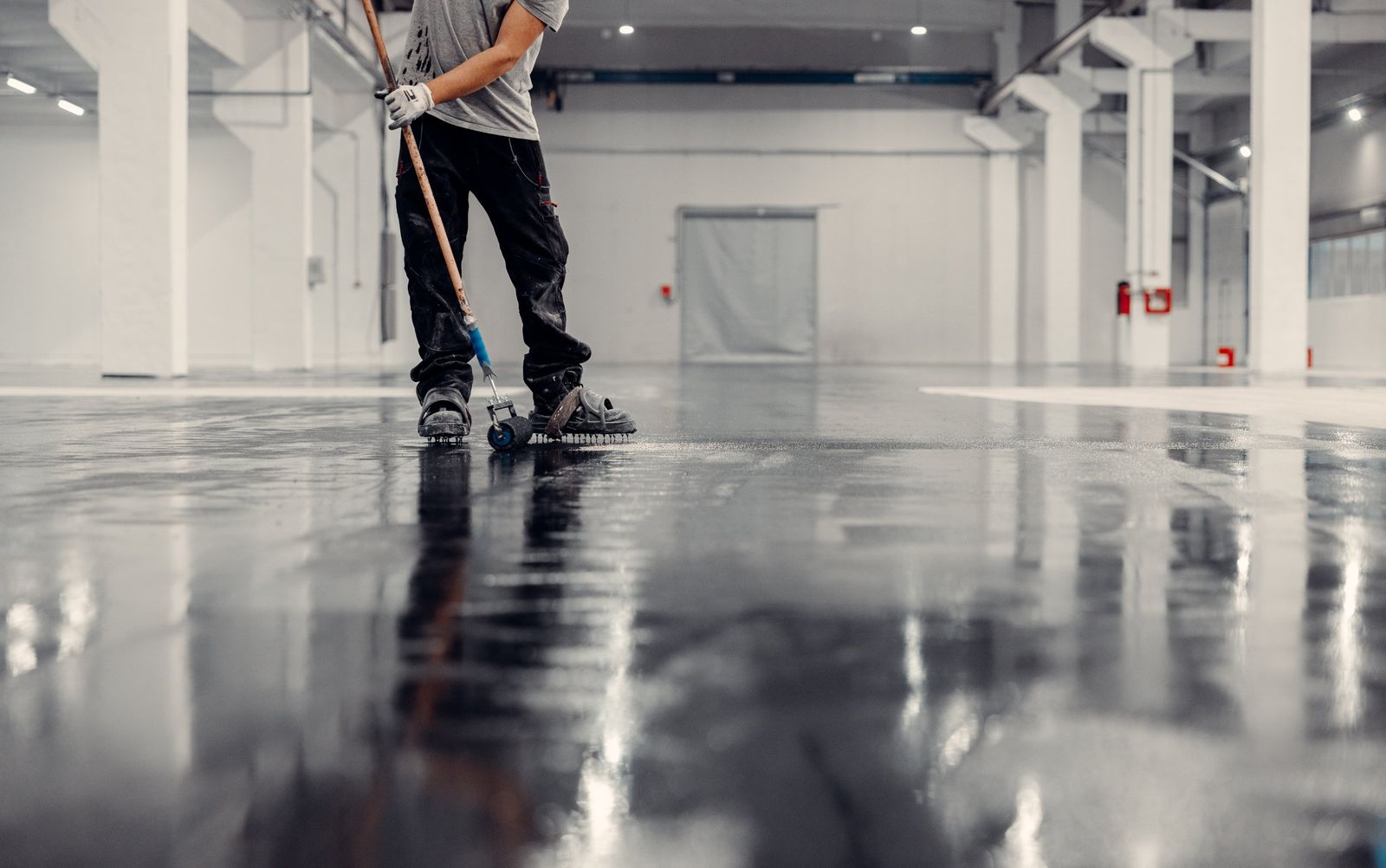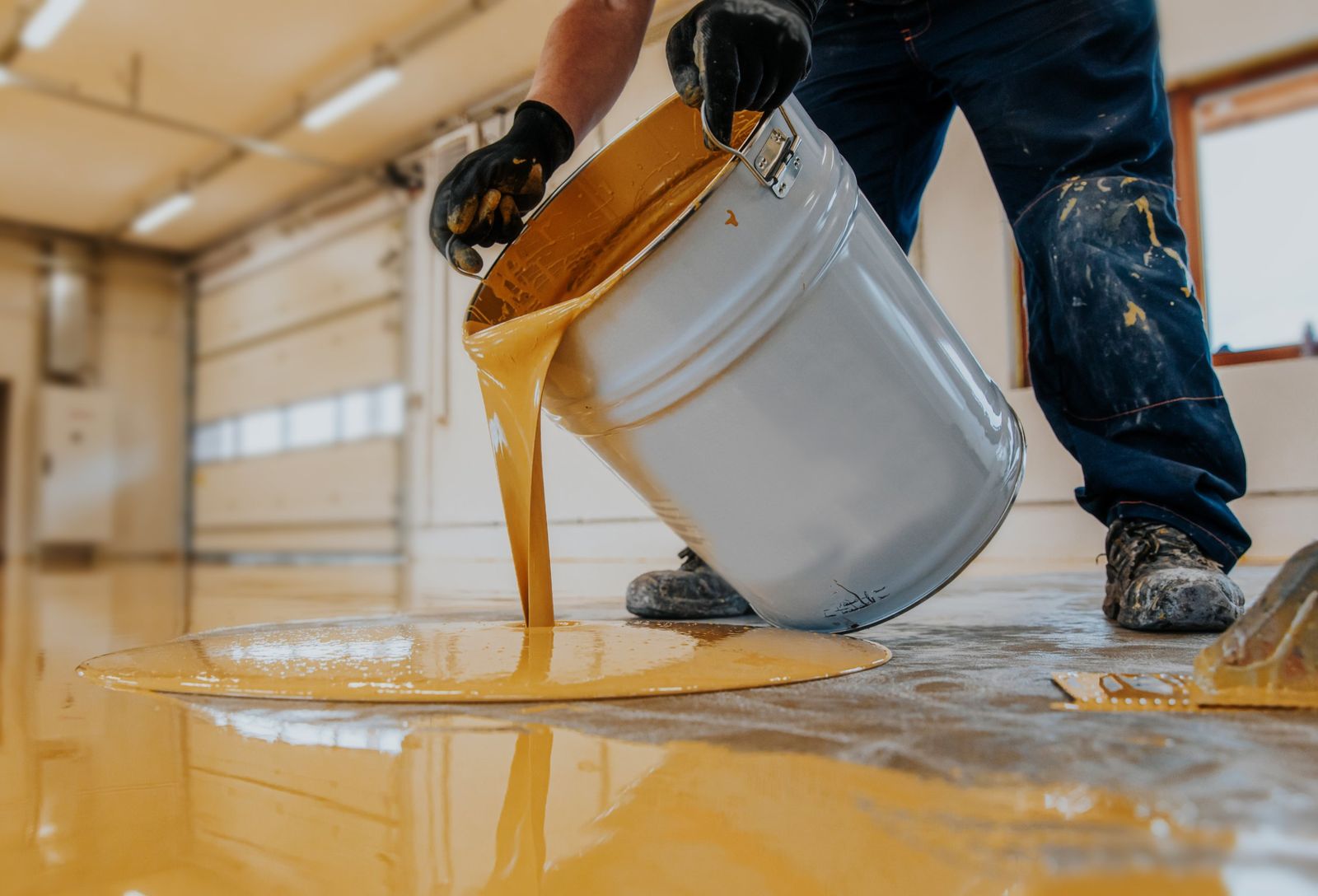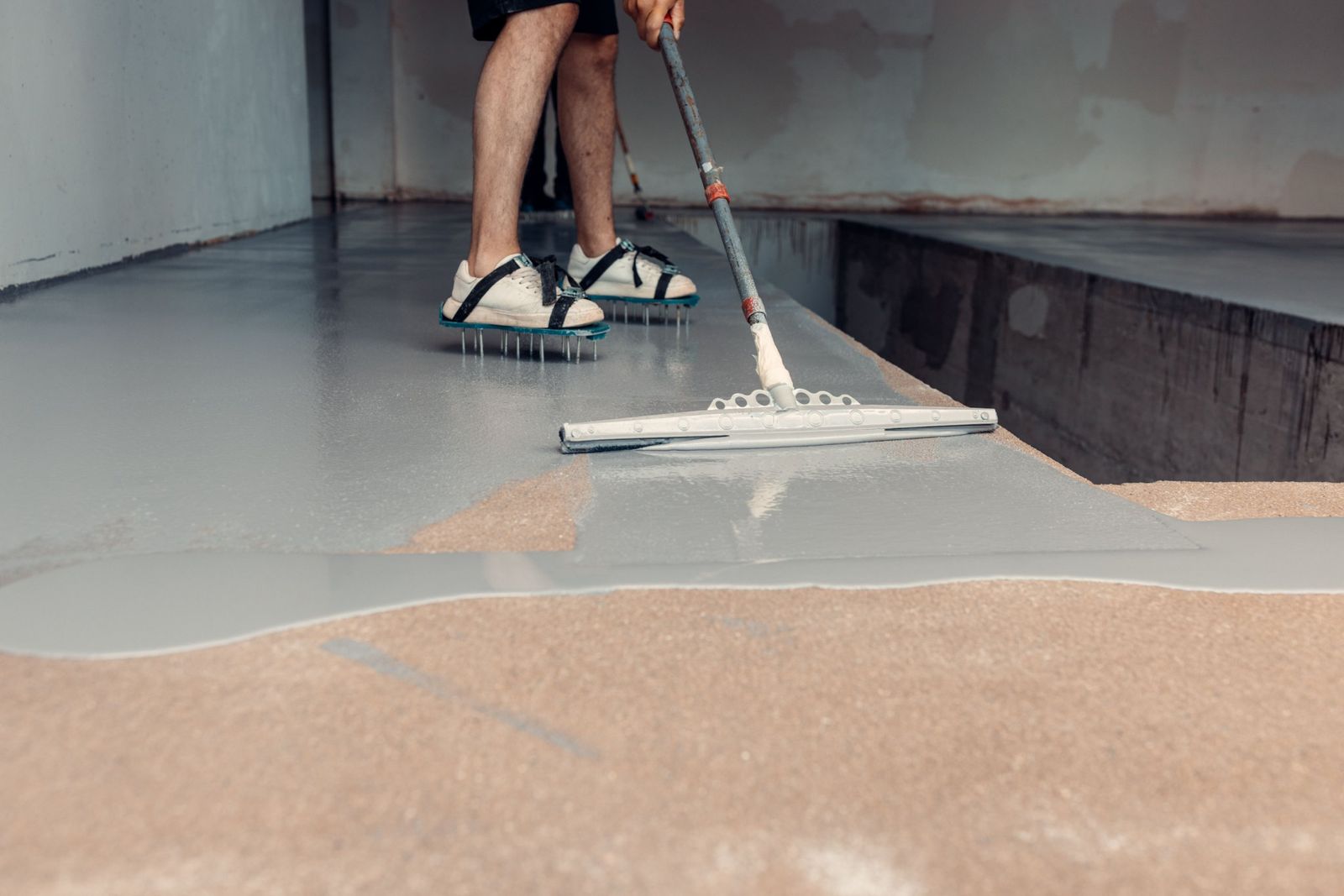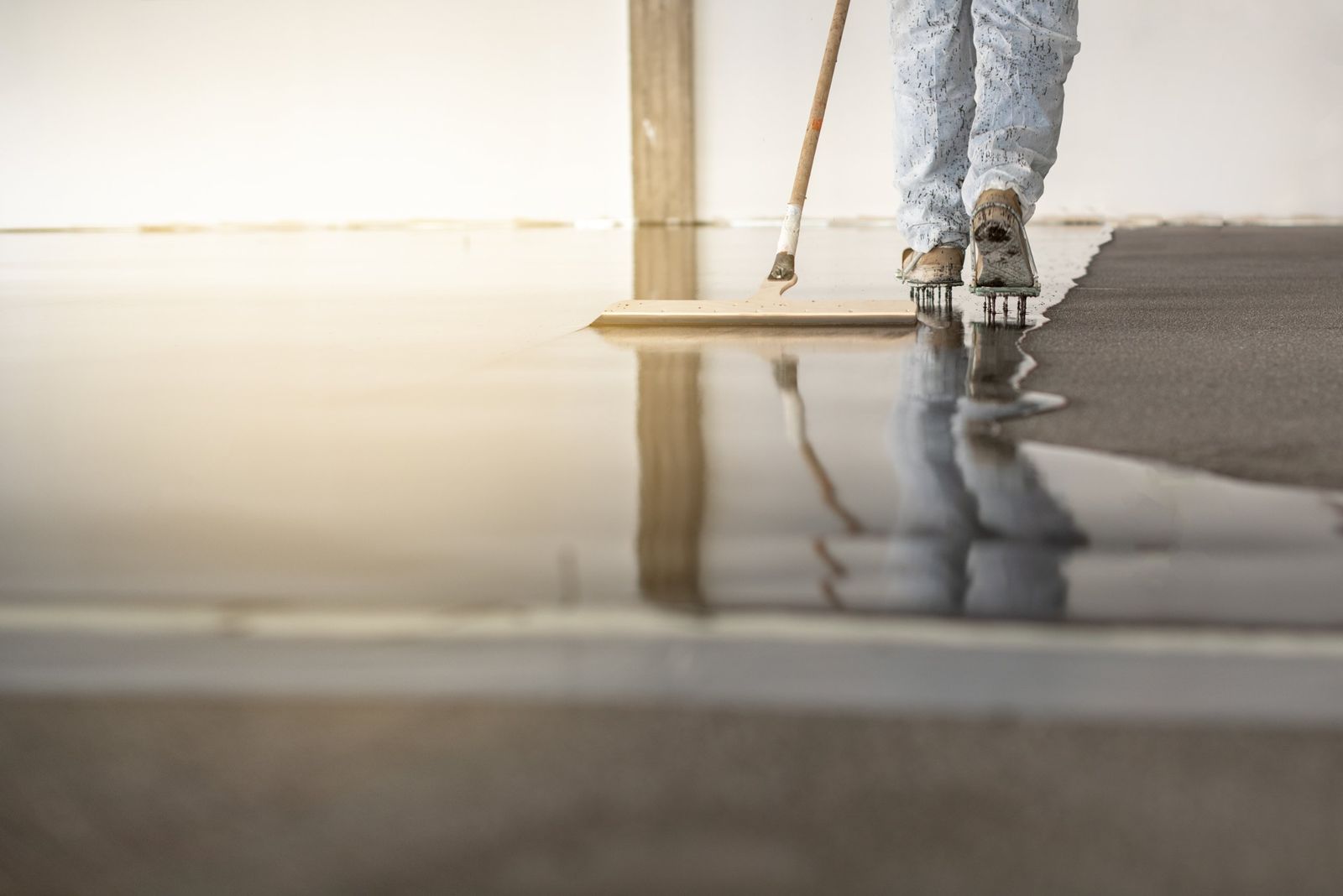

Metallic epoxy flooring creates a distinctive, flowing appearance using metallic pigments suspended in a resin coating. Depending on the colors and application technique, the finish can resemble stone, clouds, movement or a layered liquid-metal effect. Each installation develops its own pattern, making this option attractive for showrooms, selected interior rooms, feature garages and commercial spaces where appearance is a priority. Apache Junction Epoxy Flooring helps customers in Apache Junction, Arizona, consider metallic epoxy as a complete floor system, balancing design goals with concrete condition, sunlight exposure, traffic and maintenance expectations. What Makes Metallic Epoxy Different? Unlike a uniform solid-color coating, metallic epoxy uses reflective pigments that move and interact as the resin is placed and manipulated. Installers may blend colors, create contrasting ribbons or develop a more restrained marbled effect. The result depends on pigment selection, base color, lighting, floor dimensions, application technique and the resin's flow. Because the pattern is created during installation, a small sample can indicate a style but cannot exactly predict every detail of the finished floor.

Where Metallic Floors Work Well
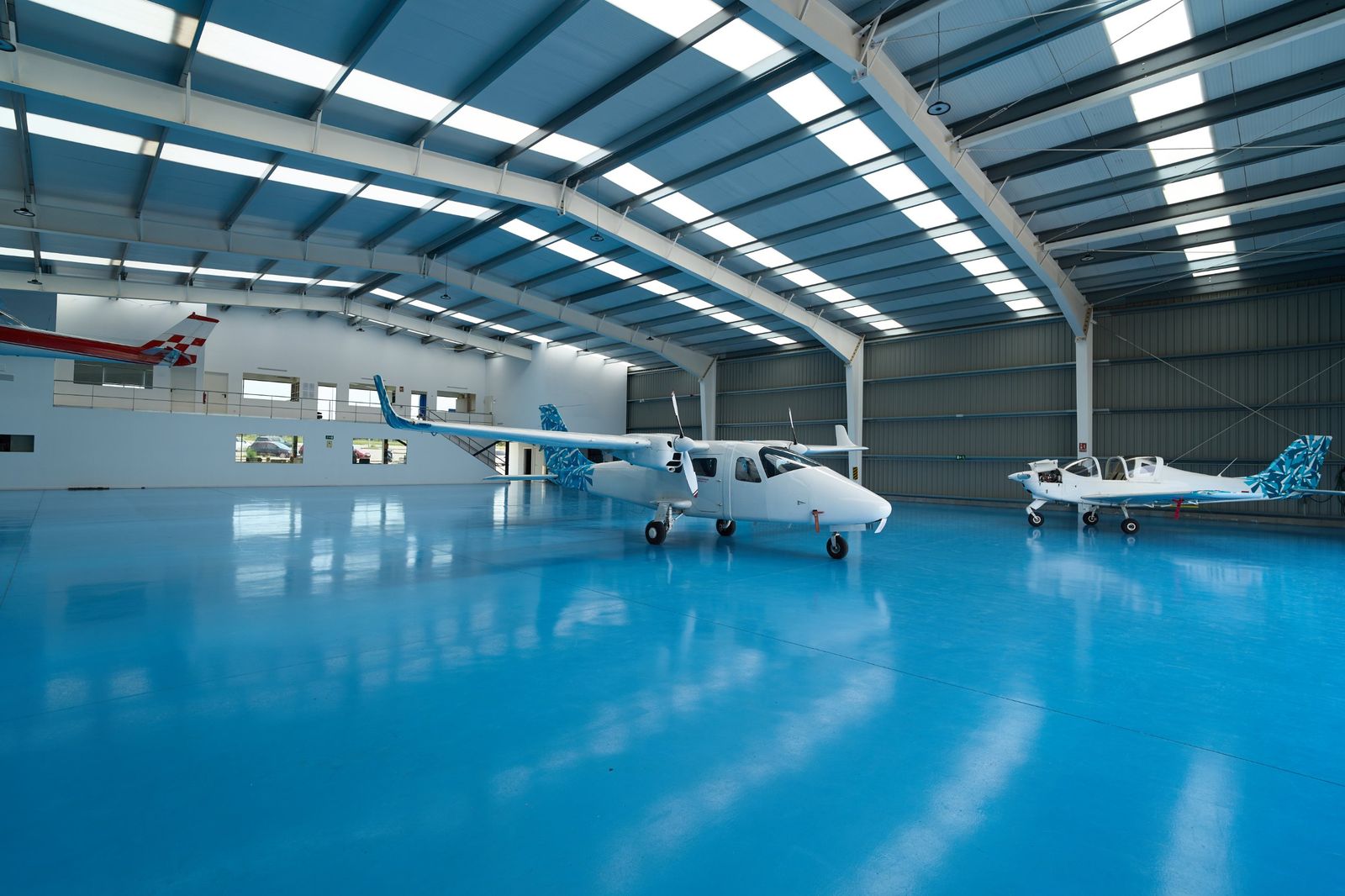
Metallic epoxy can suit selected interior concrete floors, showrooms, reception areas, studios, retail environments and feature garages. It is often chosen where the floor is meant to contribute to the room's design. The surface may be too glossy or slippery for some wet or industrial environments, and heavy abrasion can affect the appearance over time. Outdoor use requires special caution because UV exposure can discolor some epoxy formulations. A UV-stable topcoat or a different system may be needed where sunlight is significant.
Design Choices and Visual Planning
Common decisions include base color, metallic pigment colors, contrast, movement, pattern density, sheen and edge details. A dark base with bright metallic movement can create drama, while neutral tones may produce a softer stone-like look. Large open floors can show broad patterns; small rooms may benefit from a simpler design. Lighting changes how metallic pigments reflect, so consider both daylight and the room's installed lighting. Discuss how transitions, thresholds and adjoining rooms will be handled for a cohesive finish.
Benefits and Realistic Limitations
A metallic floor can create a seamless, visually striking surface that is relatively easy to sweep and damp-mop. It avoids grout lines and allows a high degree of visual customization. However, it is not a printed design and does not produce identical repeatable patterns. Glossy finishes can reveal dust, scratches and imperfections more readily than textured decorative systems. The coating also follows the underlying slab, so cracks, unevenness and repairs can affect the final appearance. Design expectations should be agreed upon before work starts.
Preparing the Concrete for a Decorative Finish
Metallic coatings are particularly dependent on substrate preparation because imperfections may remain visible beneath the reflective finish. The installer should inspect for cracks, spalls, stains, old sealers, adhesives, weak concrete and moisture. Mechanical grinding creates a suitable profile and helps remove incompatible material. Repairs should be made carefully and ground flush as appropriate. Moisture testing may be necessary. The slab should be clean and consistently prepared so differences in absorption or contamination do not create unwanted visual changes or adhesion problems.
Choosing the Resin and Topcoat
Metallic pigments are commonly incorporated into an epoxy layer, but the overall system may include primers and protective topcoats. A clear topcoat can influence gloss, abrasion resistance, chemical resistance and cleanability. If the floor receives sunlight, ask how UV exposure will be managed; conventional epoxy can discolor. Some projects may use a UV-stable topcoat, but the installer should confirm compatibility with the metallic layer. Product selection should also reflect expected traffic and the cleaning products used.

Installation and Artistic Control
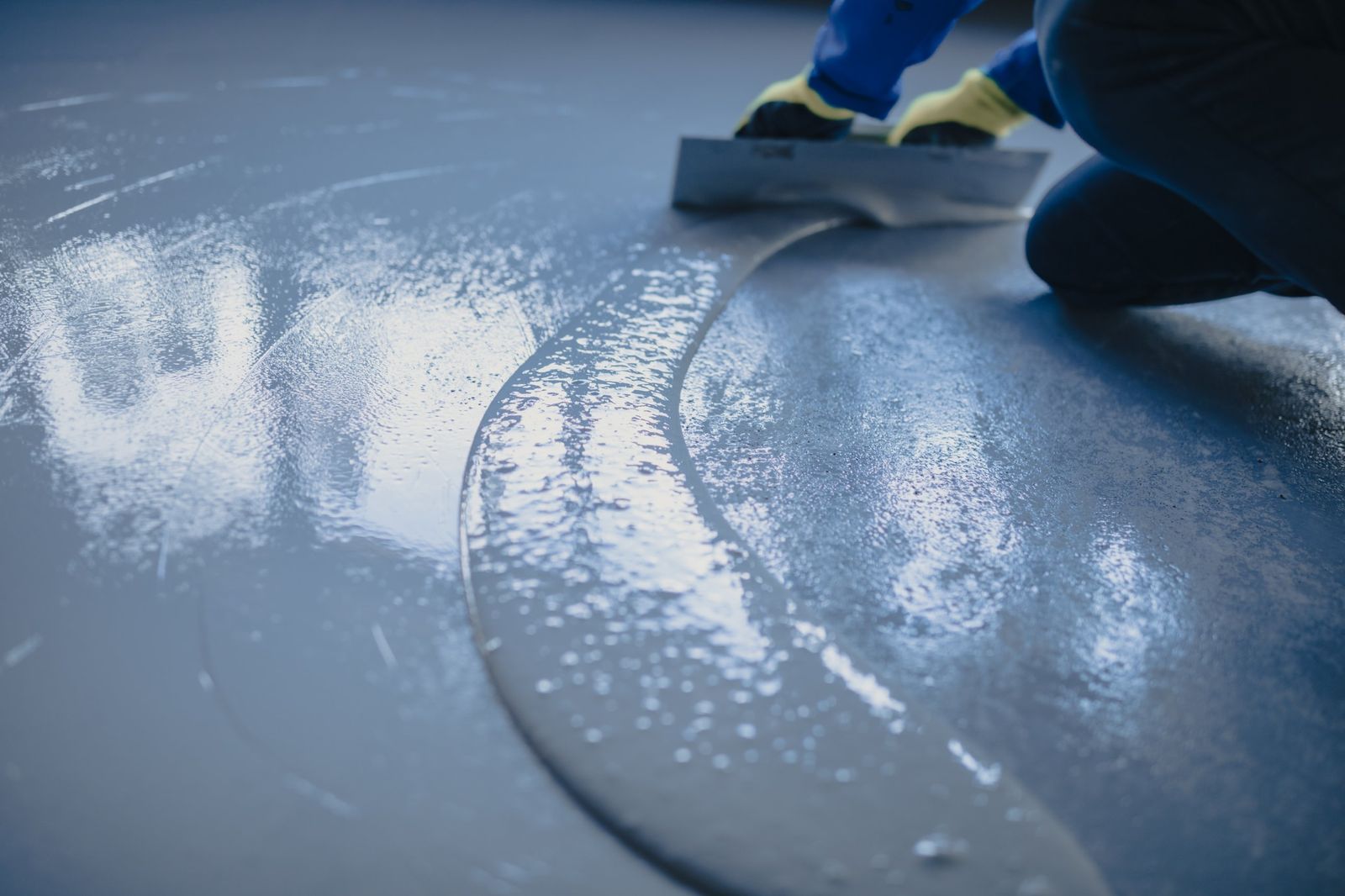
After assessment and preparation, the installer applies the base layer and metallic resin according to the product's specified coverage and working time. Pigments are placed and manipulated to create the planned movement. The resin must flow and cure under controlled conditions; temperature and air movement can affect appearance. Once the decorative layer reaches the appropriate stage, a compatible clear topcoat is applied if specified. Because metallic epoxy is both a coating and a design process, a clear conversation about pattern expectations is important.
Residential and Commercial Considerations
In a home, metallic epoxy may be chosen for a feature garage, studio or suitable interior concrete area. In commercial settings, it can add visual interest to showrooms, reception spaces or selected retail floors. The expected foot traffic, furniture movement, cleaning routine and risk of spills should guide the protective layer. For heavy-duty industrial spaces, a performance-focused system may be more practical than a decorative metallic finish. Use requirements should take priority over appearance alone.
Why Professional Installation Matters
A metallic floor requires consistent preparation, careful resin mixing and controlled application. Errors in timing, material coverage or substrate condition can affect both the look and performance. A contractor should explain how repairs will appear, how the pattern is developed and what variations are normal. Ask to see examples of the general style you prefer, while recognizing that each floor is unique. Written scope should identify the coating layers and realistic maintenance expectations.
Choosing a Metallic Epoxy Contractor
Ask what products form the base, metallic layer and topcoat, how UV exposure is addressed, and what preparation and repairs are included. Review samples and discuss color, contrast, sheen and acceptable variation. Confirm cure time before foot traffic, furniture and vehicle use. Ask how the surface should be cleaned and what could scratch or dull the finish. A trustworthy proposal explains both design possibilities and limitations.
Apache Junction Epoxy Flooring for Metallic Floors
Apache Junction Epoxy Flooring can discuss metallic epoxy flooring for suitable residential and commercial concrete in Apache Junction. Share reference images or color preferences, describe how the room is used and identify the amount of sunlight it receives. That information helps align the design with the practical requirements of the floor. Contact the company to discuss options and request an estimate for your project.
Frequently asked questions
Will every metallic epoxy floor look different?
Yes. Pigment movement, lighting, application technique and slab conditions make each floor's pattern unique, even when using similar colors.
Can metallic epoxy be used in a garage?
It can be considered for a feature garage when the system suits vehicle traffic, hot tires and sunlight. Discuss a compatible protective topcoat.
Does metallic epoxy scratch?
Like other coated surfaces, it can be scratched or dulled by abrasive grit, sharp objects and heavy equipment. Maintenance and protective pads help reduce wear.
Can metallic epoxy be installed outdoors?
Conventional epoxy may discolor under UV exposure. Exterior use requires a specifically suitable system and should be reviewed carefully.
Can I choose the pattern?
You can guide the colors and general effect, but the exact flow pattern cannot be duplicated precisely. Review examples and discuss the desired style.
Is metallic epoxy easy to clean?
It is generally straightforward to sweep and damp-mop, but glossy finishes may show dust and scuffs more clearly.
How long does installation take?
Preparation, design complexity, layers and curing determine the schedule. The contractor should provide specific return-to-use times.
Can metallic epoxy cover cracked concrete?
Cracks and defects need assessment and repair before coating. Movement may reappear and reflective finishes can make imperfections noticeable.