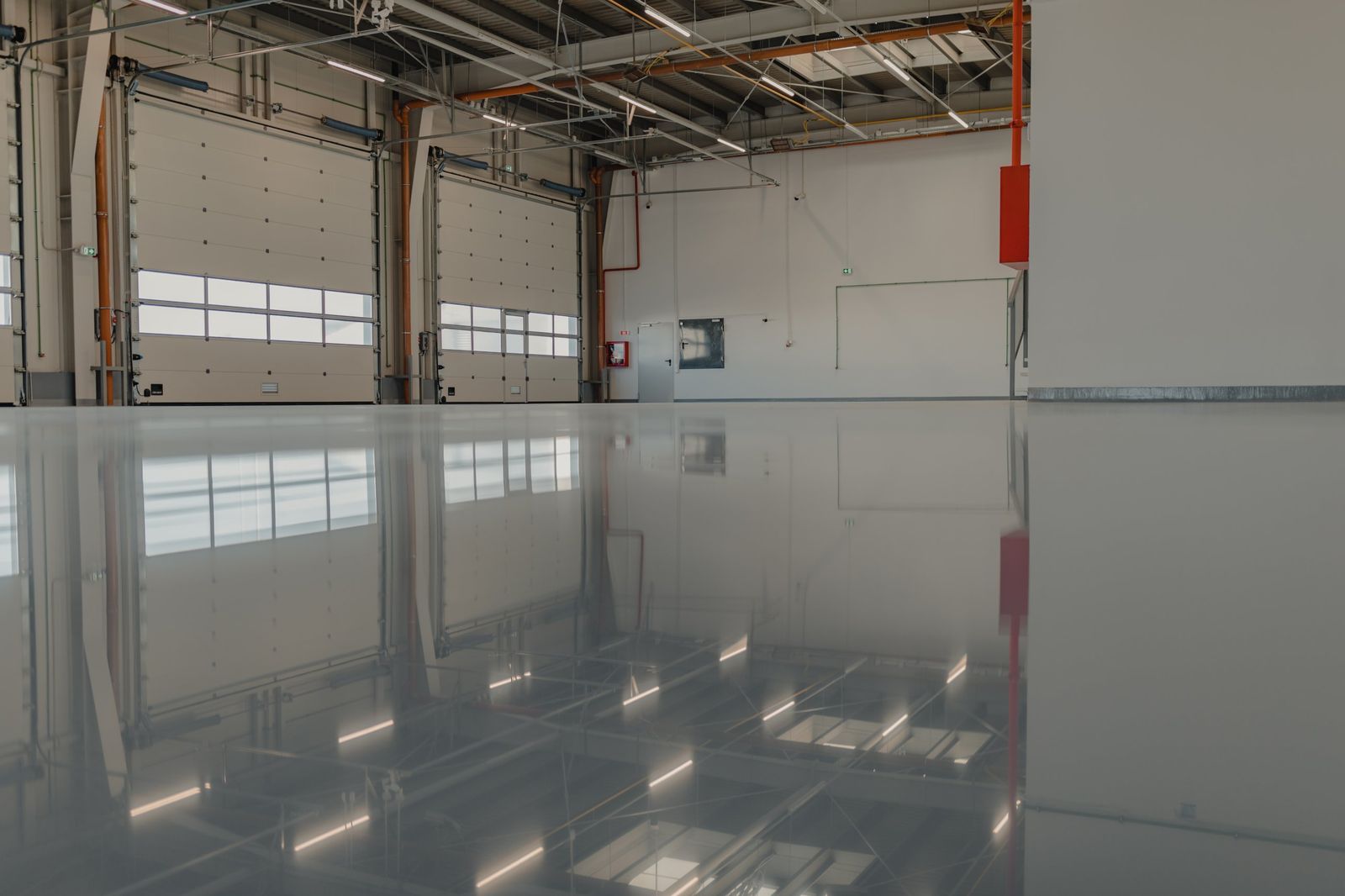

Polyaspartic floor coatings are valued for fast cure and, in suitable formulations, strong resistance to UV-related discoloration. Those characteristics can be useful in Arizona, where garages and outdoor concrete may experience intense sunlight and high surface temperatures. Still, polyaspartic is not a single universal product: formulations, working time, thickness and chemical performance vary. Apache Junction Epoxy Flooring helps customers in Apache Junction, Arizona, consider polyaspartic systems based on the concrete, exposure, finish and required return-to-service schedule rather than assuming every fast-curing coating is interchangeable. What Is a Polyaspartic Coating? Polyaspartic coatings are a type of polyurea-related coating chemistry used in protective floor systems. Depending on formulation, they can cure rapidly, retain color well under UV exposure and provide abrasion and chemical resistance suited to particular applications. Fast cure can be a scheduling advantage, but it also creates a shorter working window for mixing and application. The exact product data sheet should guide surface conditions, coverage, thickness, recoat windows and cure times.

Why It Can Suit Arizona Conditions
Sunlight can cause some coating chemistries, including many conventional epoxies, to yellow or chalk over time. A UV-stable polyaspartic formulation may help preserve the intended appearance in exposed areas. Temperature is another consideration: hot concrete can shorten pot life and affect flow, so the installer must work within the manufacturer's limits. The coating does not eliminate heat from the sun, and it cannot correct moisture or structural problems in the slab. System selection should consider exposure as well as the substrate.
Polyaspartic for Garages and Residential Floors
Garages are a common use because the floor may face hot tires, grit, occasional spills and sunlight near the door. Polyaspartic may be used as a base, topcoat or part of a multi-layer system, depending on the product. Decorative flakes can add color and texture beneath a clear protective layer. For indoor residential spaces, the installer should also consider odor, ventilation, slip resistance and the room's use. Fast cure is helpful, but the floor still needs the specified time before vehicles and heavy loads return.
Outdoor Concrete and Patio Applications
Some polyaspartic systems are suitable for outdoor concrete, including selected patios and walkways. Exterior use requires confirmation of UV performance, moisture tolerance, temperature limits and traction. A glossy, smooth surface may not be appropriate where rain or irrigation makes the floor wet. Coatings generally follow the slab's slope, so drainage problems must be addressed separately. Ask for a product specifically intended for the exposure rather than assuming a garage coating can be used outdoors.
Polyaspartic Compared With Epoxy and Polyurea
Epoxy is often used where a thicker base layer and strong adhesion are priorities, while polyaspartic systems may be chosen for UV stability and fast cure. Polyurea products can also cure quickly and may offer flexibility, but their properties vary by formulation. Some installations combine these chemistries to balance film build, adhesion, decorative effects and surface protection. The right comparison is between complete, specified systems—not chemistry names alone. Consider product thickness, substrate conditions, traffic, sunlight, maintenance and return-to-service requirements.
Preparation and Moisture Considerations
The concrete should be inspected for previous coatings, sealers, oil, cracks, spalling and weak surface material. Mechanical grinding or another specified method creates the surface profile needed for adhesion. Repairs should be compatible with the system, and dust must be removed thoroughly. Moisture vapor can interfere with some coating systems, so testing may be needed before installation. A fast-curing topcoat cannot compensate for poor preparation beneath it.

Application Requires Timing and Control
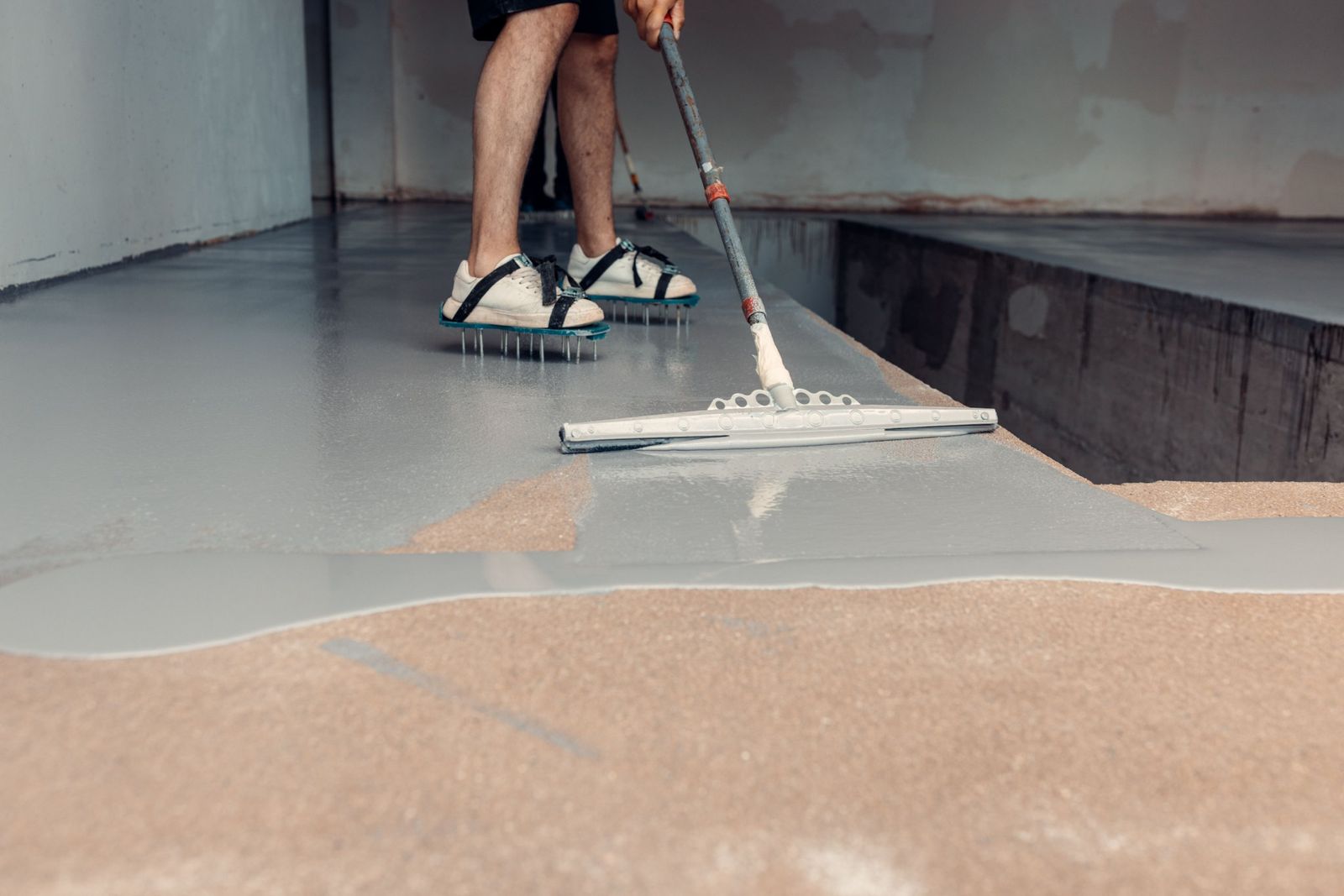
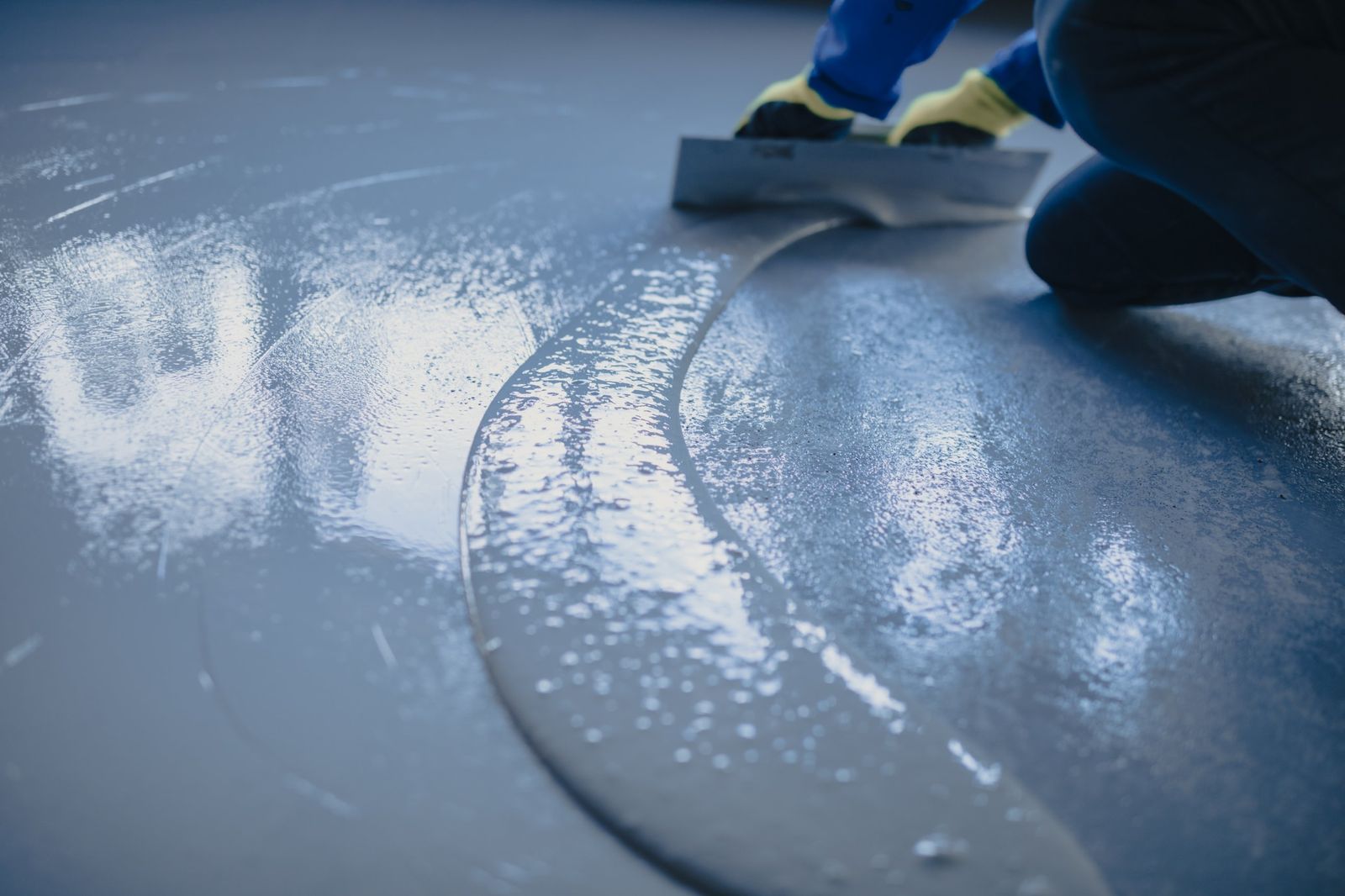
Polyaspartic products can have limited pot life, so accurate mixing, planned material quantities and coordinated application are important. Surface temperature, air temperature, humidity and dew point may affect application. The contractor should monitor conditions, apply material at the specified rate and observe recoat windows. Fast cure can make corrections difficult once the coating begins to set. This is one reason installation experience and a clear plan matter.
Typical Project Steps
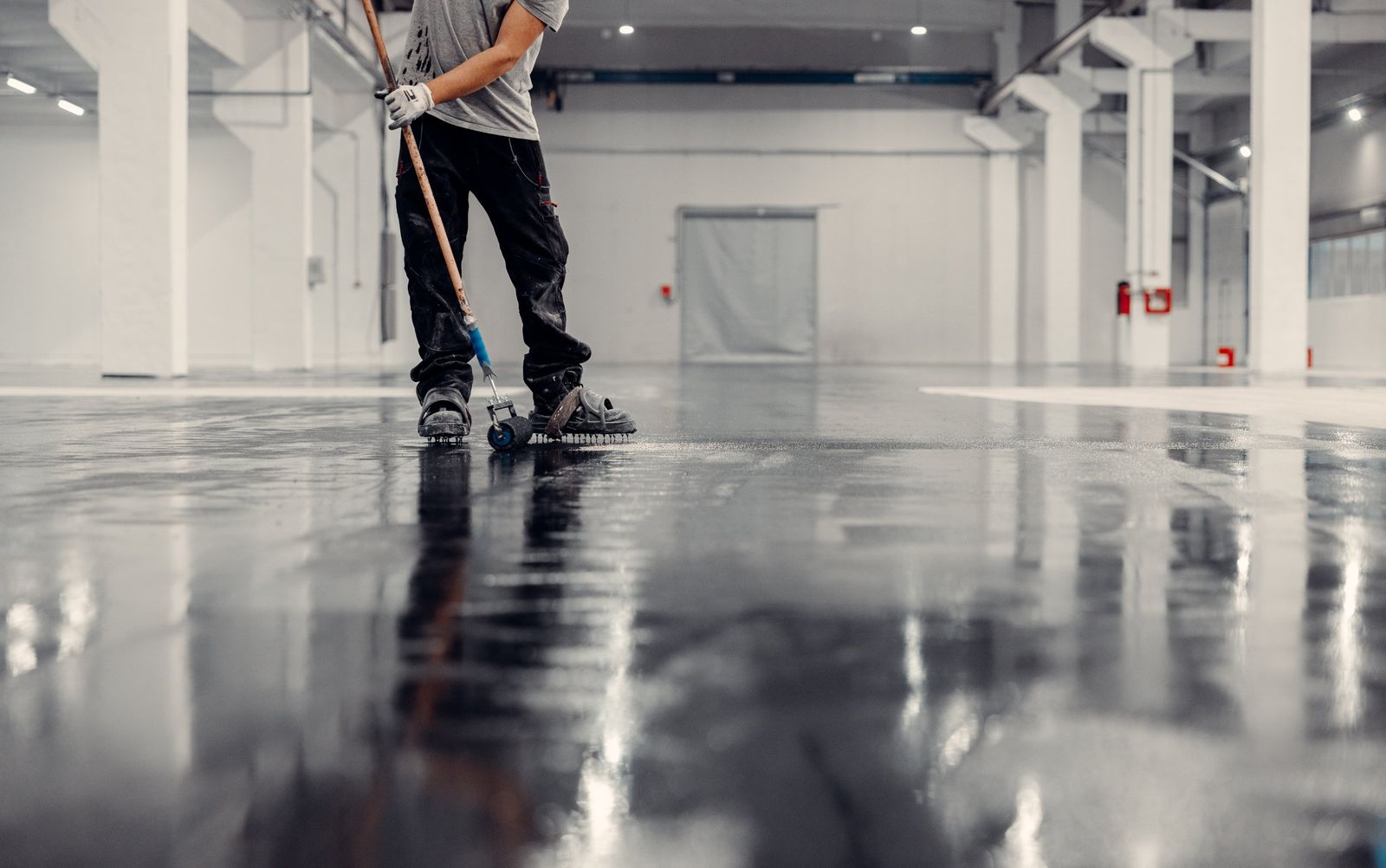
A typical project includes an initial assessment, measurements, selection of a system and finish, surface preparation, repairs and coating application. The installer profiles and vacuums the slab, addresses cracks or defects as specified, then applies the base coat and decorative layer if selected. A compatible polyaspartic layer completes the system. The surface is protected through the specified cure period. The homeowner or facility manager should receive clear instructions for foot traffic, vehicle access, cleaning and ongoing care.
Traction, Appearance and Care
Polyaspartic topcoats can be available in different sheens and can be paired with decorative flakes or traction additives. The final texture should match the environment: a smooth surface may be easy to wipe but less suitable for wet traffic, while a textured finish may require more cleaning effort. Regularly remove abrasive grit, use approved cleaners and wipe spills promptly. The coating's resistance is product-specific; do not expose it to chemicals outside the manufacturer's compatibility guidance.
Choosing a Polyaspartic Contractor
Ask for the exact product names and technical data, including recommended thickness, temperature limits, UV performance, cure windows and chemical resistance. Confirm how the slab will be prepared and whether moisture testing or repairs are included. Ask when foot traffic and vehicles can return, and whether those times change with weather. A contractor should be able to explain why the system suits the site and what limitations remain.
Why Apache Junction Epoxy Flooring
Apache Junction Epoxy Flooring can discuss polyaspartic options for local concrete floors, including garages and suitable exposed surfaces. The goal is to match the coating to the slab and intended use while setting realistic expectations for installation and curing. Customers can ask about finish choices, preparation and scheduling before deciding on a system. Contact Apache Junction Epoxy Flooring to request an estimate for a polyaspartic floor coating in Apache Junction.
Frequently asked questions
Is polyaspartic better than epoxy?
It depends on the product and application. Polyaspartic can offer UV stability and fast cure, while epoxy is often used for base-coat thickness and adhesion. Complete systems should be compared.
How quickly can I use a polyaspartic floor?
Some products allow relatively fast return to service, but timing depends on formulation, conditions and the type of traffic. Follow the specific product instructions.
Will polyaspartic yellow in the sun?
Suitable UV-stable polyaspartic formulations are designed to resist UV discoloration, but confirm the specific product's performance and limitations.
Can it be installed in hot weather?
Only when the slab and environment are within the manufacturer's application limits. Hot surfaces can shorten working time.
Can polyaspartic be used on patios?
Some products are intended for exterior use. UV exposure, moisture, traction and drainage must be evaluated.
Does the coating prevent concrete cracks?
No. It may bridge some minor surface imperfections as part of a specified system, but movement or structural cracks can reappear.
Can polyaspartic be used with decorative flakes?
Yes, many systems use flakes with compatible base coats and polyaspartic topcoats. Compatibility and texture should be specified.
What affects the price of polyaspartic flooring?
Square footage, slab condition, preparation, repairs, system layers, decorative options and access all influence the estimate.